


Articles
5 Times Star Trek Movies & TV Shows Broke Gene Roddenberry’s Rules
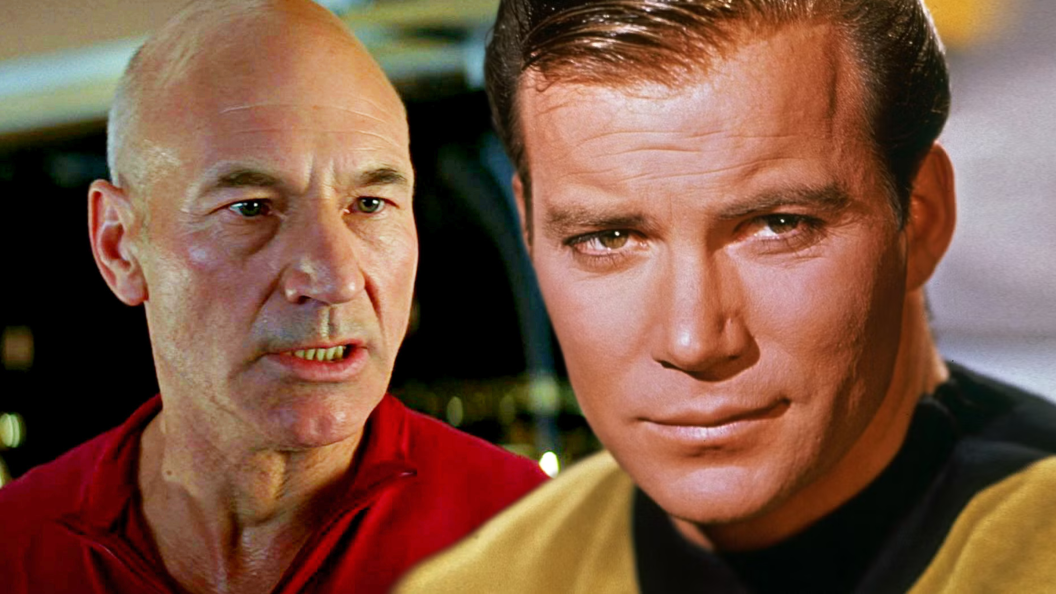
The Star Trek franchise is known to be one of the most groundbreaking pieces of science fiction in the genre’s history, and it has graced fans’ screens for generations. Ever since Star Trek: The Original Series first aired in 1966, the Star Trek franchise has played an important part in the ongoing evolution of the sci-fi genre. The decades that followed have seen many Star Trek TV shows, movies, video games, novels, comics, and more all cement the franchise’s status as one of the most iconic sci-fi stories ever conceived. Star Trek’s success is often primarily attributed to the vision of Gene Roddenberry, which built a foundation of themes that the franchise continues to rely on today.
Roddenberry set several rules for the stories taking place in the Star Trek universe that the franchise is still largely expected to adhere to today. Many of the best Star Trek stories stem predominantly from Roddenberry’s notion of a future in which humanity has evolved beyond petty squabbles and prejudice, and where humankind seeks to peacefully explore the universe and make contact with other species. Unfortunately, the franchise hasn’t always stuck to Roddenberry’s core rules, with several movies and TV shows eschewing the limitations Star Trek’s creator placed upon it.
5) Deep Space Nine’s Characters Repeatedly Grappled With Internal Conflict
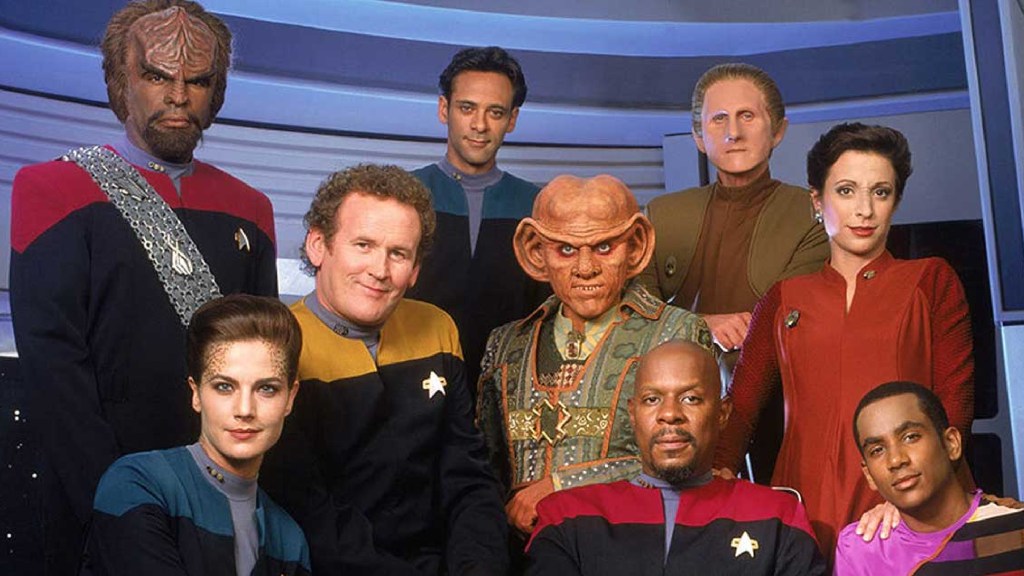
One of the core tenets of Roddenberry’s philosophy for Star Trek was that it should feature no human conflict. The idea was that the franchise’s main human characters shouldn’t ever argue, hold grudges, or fight amongst themselves, as Roddenberry’s vision was for a future in which humanity had established a sort of utopian harmony. While that idea remains somewhat foundational for the franchise, one of its best shows, Deep Space Nine, completely defied that Roddenberry rule.
The characters of Star Trek: Deep Space Nine were near-constantly at odds with one another, and conflict ran rampant on the titular station. Of course, this made for many great stories and some excellent moments of drama, and without it, the show would almost certainly have been nowhere near as good. However, when it comes to following the rules set out by Star Trek creator Gene Roddenberry, Deep Space Nine is one of the franchise’s biggest rebels, no matter how good the show might be.
4) Picard Showed That Capitalism & Inequality Survived
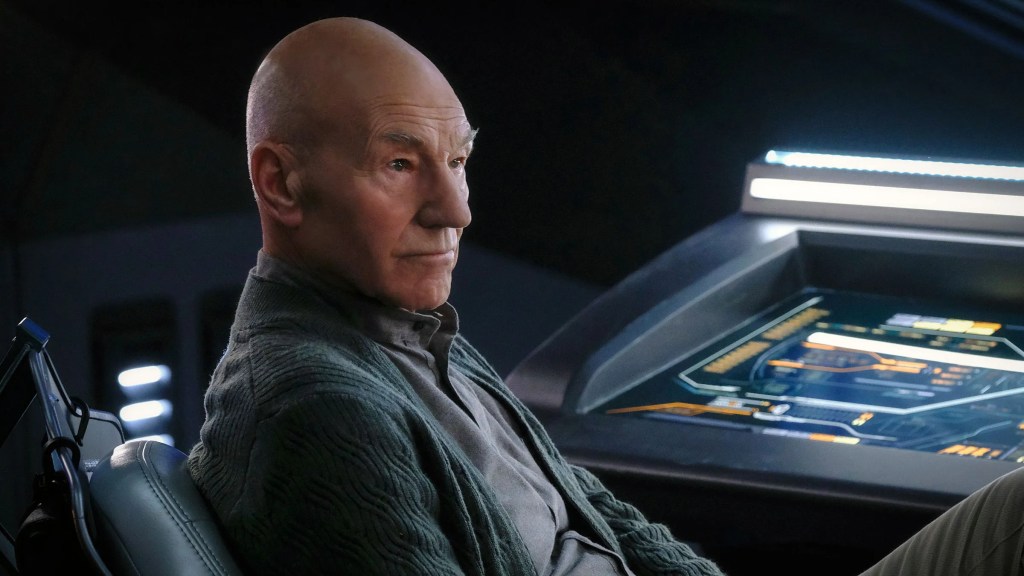
Another of the rules set out by Gene Roddenberry was that the humanity of Star Trek’s future had no need for currency, as humanity had abolished it after evolving beyond greed. It’s a core notion that helped make The Original Series stand out as incredibly imaginative sci-fi, adding in a hopeful note for the future that pointed out one of humankind’s greatest flaws. However, Star Trek: Picard explicitly ignored this rule, effectively retconning the many occasions on which human currency was established to have been abolished.
Several episodes of Star Trek: Picard grapple with the notion that human society has fallen victim to corporate capitalistic greed, with many people struggling with personal debts and others resorting to underground smuggling practices. It might make a better statement on the hazards of capitalism, but it’s just another way that the franchise overtly broke one of Roddenberry’s rules, poking several holes in Star Trek’s official canon in the process.
3) Kirk & Khan’s Mutual Hatred

Much in the same vein as the way Deep Space Nine broke a major Roddenberry rule, the Star Trek movies subtly abandoned the no-conflict rule. After Khan Noonien Singh was inadvertently revived in The Original Series episode “Space Seed”, he returned in the movie Star Trek II: The Wrath of Khan harboring a serious grudge against James T. Kirk. Khan’s own feelings don’t break Roddenberry’s rule, as he’s a product of humanity’s violent past, but Kirk’s reciprocation of that hatred is a different matter entirely.
Despite being born into the supposed utopian future Roddenberry imagined, Kirk still has an incredibly emotional human response to Khan’s actions. Kirk’s drive to get revenge on the villain outlines that humanity seemingly never outgrew conflict, but merely repressed it, and that it would always resurface if the circumstances were dire or upsetting enough. It may have established one of the greatest villains in Star Trek history, but it also broke one of Roddenberry’s most important rules for the franchise.
2) Picard’s Sibling Rivalry
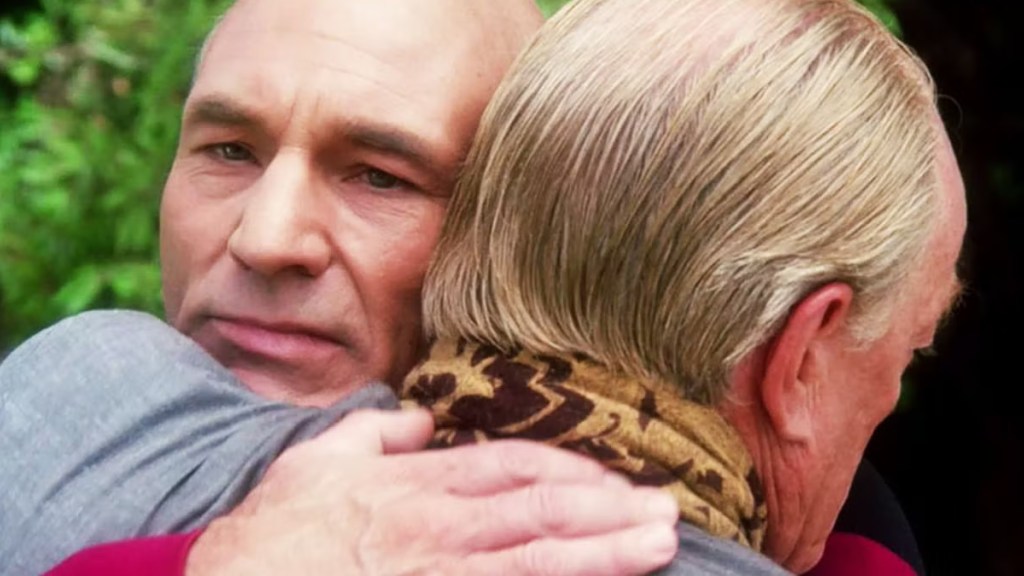
While The Next Generation‘s “Family” might be considered one of Star Trek’s best Captain Picard episodes, it’s another example of a time when Roddenberry’s rules were broken. The episode follows Picard’s return to Earth following his battle with the Borg, and sees him reunite with his brother, with tensions running high between the pair. Robert is jealous of Jean-Luc’s success, and their sibling rivalry eventually spills over into a full-blown physical altercation.
Gene Roddenberry famously hated the concept of the episode, and was vocally against it being made. He firmly believed that humankind should have evolved beyond the sort of petty squabbles that the episode depicted, even though it was all resolved amicably in the end. Considering the rules Roddenberry had set out for the franchise, his position is understandable, but had The Next Generation followed them religiously, we never would have seen the incredibly touching and emotionally rich story that “Family” has to offer.
1) Everything About Section 31

Another of Gene Roddenberry’s strictest rules about Star Trek is that Starfleet should never be depicted as a military in any way. However, over the years, with many of the best Star Trek episodes being action-packed in some way, this rule has seemingly been increasingly relaxed. However, the introduction of Section 31 is a step too far, as it completely shatters one of Roddenberry’s central ideas for the Star Trek franchise.
Section 31 is an agency within Starfleet that essentially resorts to espionage, assassination, torture, and attempted genocide, all for the supposed good of humanity. This level of moral compromise was something that Roddenberry had attempted to keep away from the Star Trek franchise, as he believed humanity should have evolved beyond any such measures. Section 31 is relatively divisive even among Star Trek fans, as it seems to directly contradict Roddenberry’s utopian vision. While it certainly adds an interesting aspect to the franchise, it’s just another way in which Star Trek has moved increasingly far from Gene Roddenberry’s initial vision.
