


Articles
40 Years Ago Today, An Iconic Horror Movie Series Was Reinvented, Only For Its Sequel to Ruin It Again
There comes a time when any long-running franchise can start to feel stale. But deviating from an established formula also runs the risk of alienating fans, as history has shown time and time again with sequels which take “a bold new direction.” 40 years ago, the Friday the 13th franchise attempted to revive itself with Friday the 13th Part VI: Jason Lives, a film which took the Friday formula and injected it with meta-humor and a stylish direction.
It was a reinvention which paid off. Jason Lives became one of the few Friday the 13th films to receive (somewhat) decent reviews, and is regarded as a fan-favorite in the franchise. But as audiences eagerly awaited what was next for Friday the 13th, its sequel would unfortunately lose any momentum gained.
Jason Lives Brought Humor to Friday the 13th
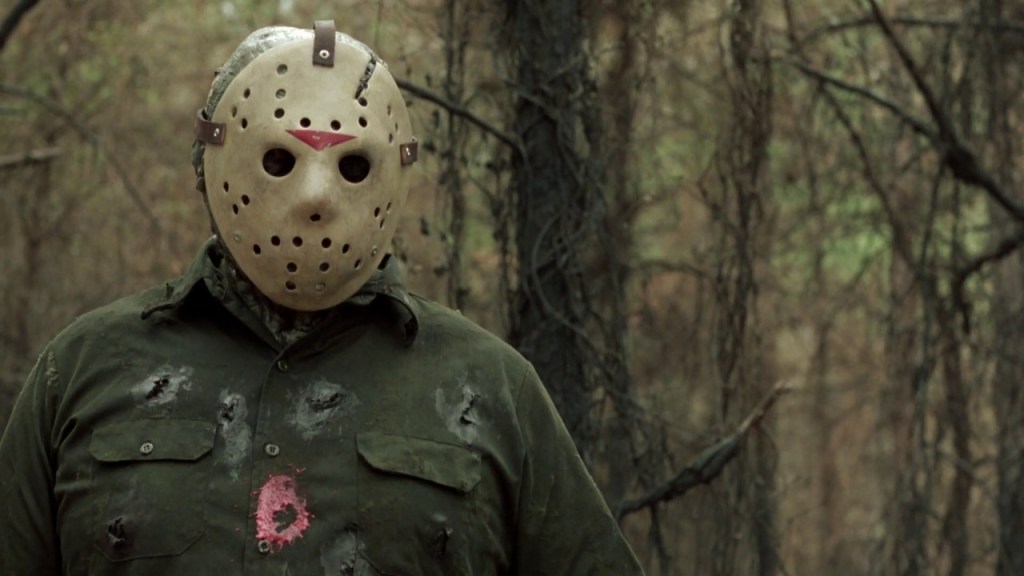
Though the Friday the 13th franchise has always had its fair share of campy humor, Jason Lives would amplify its comedy into something much more meta. By Part VI, Friday the 13th found itself in an awkward spot. Jason Voorhees had been permanently killed off in the fourth installment, The Final Chapter, and the fifth, A New Beginning, ended with the tease that final boy Tommy Jarvis would become the next killer. To solve this issue, Jason Lives took the easiest option: ignore it entirely, and the film opens with Jason being accidentally resurrected by Tommy. It’s this opening scene which sets the tone for the film going forward, zooming into Jason’s eyes for a James Bond inspired title card.
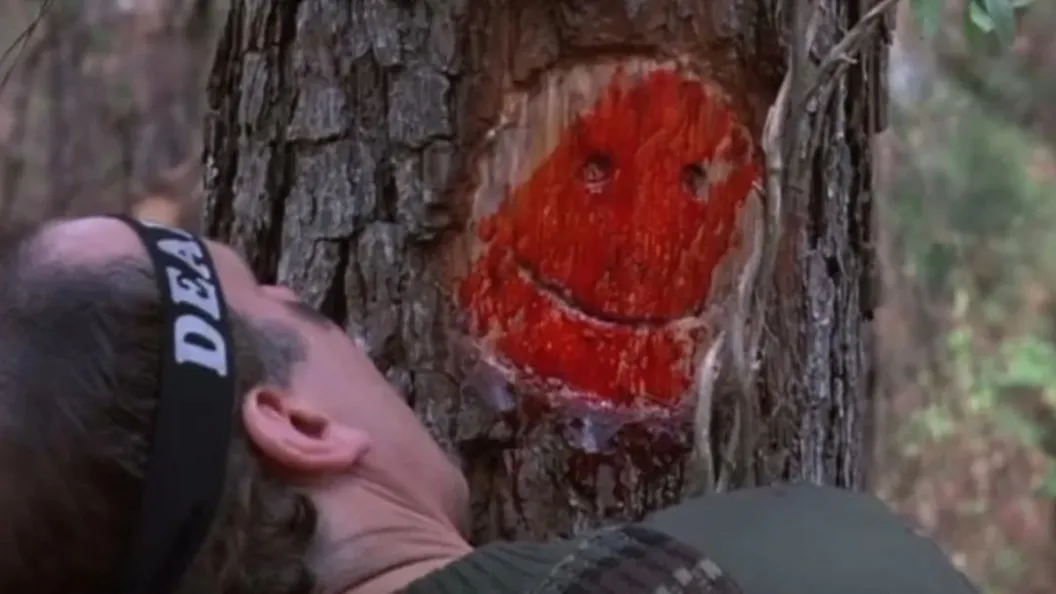
The rest of the movie follows suit, such as a scene where Jason dispatches a group of hunters playing paintball in the woods. Not long after, when Jason encounters two teens driving, one remarks: “I’ve seen enough horror movies to know any weirdo wearing a mask is never friendly.” It’s this self-aware humor which defines Jason Lives, not just reinventing the Friday formula, but directly acknowledging the tropes of the genre.
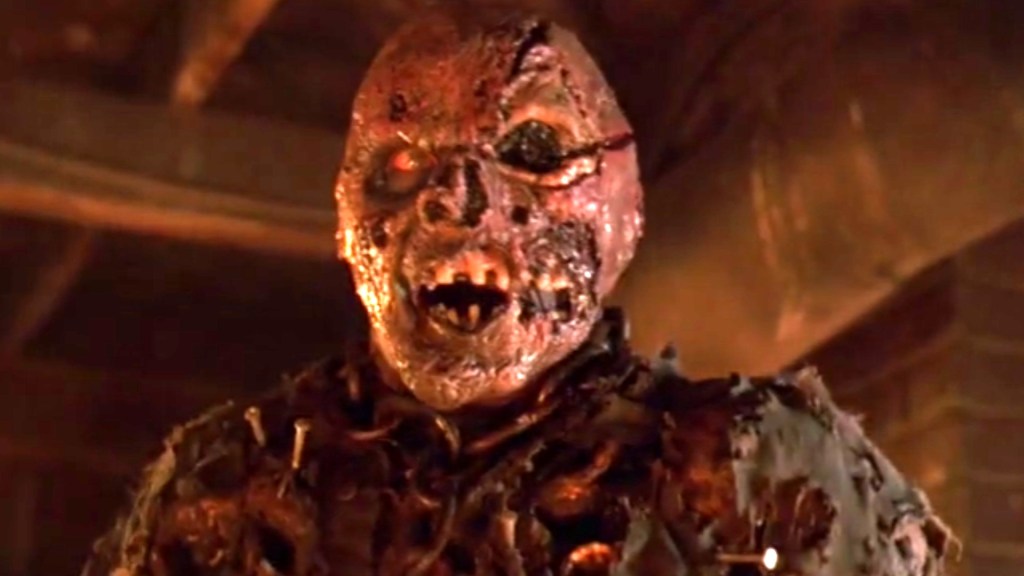
Make no mistake though — Jason Lives is still a great slasher. Not only does it have some bloody kills, it fully takes advantage of Crystal Lake as an actual summer camp, with kids for the teen counselors to watch over. While Jason never harms them, their addition adds a level of stakes not really present in the previous films. All of this, combined with the film’s gothic, almost Universal Monster-inspired visuals, helps make Jason Lives possibly the most fun movie in the Friday the 13th series.
Friday the 13th Part VIII Was A Disappointing Follow-Up
Jason Lives did what many other Friday films failed to do: It got decent reviews, with critics appreciating its tongue-in-cheek humor and the way the film laughed at its own formula. The film made nearly $20 million at the box office and today holds a 59% on Rotten Tomatoes — significantly higher than many other movies in the franchise.
If Jason Lives raised the bar, then its sequel would unfortunately lower it. Like its predecessor, Friday the 13th Part VII: The New Blood, would take the series in another new direction, introducing the character of Tina Shepard, a Carrie White-esque final girl with telekinetic powers. But where Jason Lives had the benefit of humor, The New Blood returns to a more melodramatic tone, treading familiar ground even despite its superpowered protagonist.
As a result, The New Blood was panned by both critics and fans alike, quickly losing any goodwill gained by Jason Lives. Sequels post-New Blood would similarly deviate from the Friday formula to mixed results, Part VIII taking Jason to Manhattan and Jason Goes to Hell turning the killer into a body-hopping demon. The lukewarm reception of these movies in comparison to Jason Lives reveals the inherent challenge of messing with any established franchise. Bold creative choices can quickly lead to hated sequels. Jason Lives worked not only because it was fun, but because it retained the heart of the Friday the 13th franchise while doing so. And maybe that’s the key to reinventing a franchise.
