


Articles
Future Assassin’s Creed Remakes Can’t Repeat This Black Flag Resynced Mistake

Assassin’s Creed Black Flag Resynced has brought the most beloved entry in the series back to life, and possibly saved Assassin’s Creed as a whole. Revisiting beloved adventures gives Ubisoft the chance to preserve classic games while introducing them to a new generation of players. It also creates opportunities to expand stories that fans have loved for more than a decade. That is an exciting prospect because additional missions, new characters, and fresh lore can deepen an already outstanding experience. However, those additions carry an expectation. They need to feel like they belong alongside the original game rather than stand apart from it.
Assassin’s Creed Black Flag Resynced proves that there is still a want for Edward Kenway’s pirate adventure. Ubisoft’s decision to include entirely new story content featuring characters like Lucy Baldwin and Padre Abel Galvao is exactly the kind of content many fans have wanted from future remakes. The problem is that the writing often struggles to capture the tone, dialogue, and characterization that made the original Assassin’s Creed IV: Black Flag one of the series’ finest stories. If Ubisoft continues remaking older entries, that lesson cannot be ignored and more attention needs to be given to this additional content.
New Story Content Is Good, But It Should Feel Like It Belongs

One of the biggest selling points of Black Flag Resynced is that it offers more than updated visuals and gameplay improvements. Ubisoft expanded the experience with additional narrative content, giving longtime fans new reasons to return. I was already excited to jump back into Edward’s life, but new missions mean I can experience fresh ideas and get even more out of Black Flag. This is far more exciting than better resolution.
The new questlines introduce characters such as Lucy Baldwin and Padre Abel Galvao, giving players more opportunities to explore the Caribbean and the wider conflict between Assassins and Templars. Rather than existing as disconnected side activities, these missions attempt to fit naturally into Edward Kenway’s journey, expanding the world without replacing what made the original campaign memorable. They also give new crew members to expand the Jackdaw’s presence.
That ambition deserves praise. I would rather see developers take creative risks than release a remake that offers nothing beyond visual upgrades. Yet new content also raises expectations. Players naturally compare every new mission to the writing that established Edward as one of Ubisoft’s most beloved protagonists. That comparison is difficult to avoid because the original game set such a remarkably high standard. And unfortunately, I found the new missions lacking.
Edward Kenway’s Voice Feels Different

For me, the biggest issue with the new missions is not their concepts. It is their execution. Edward Kenway’s journey in Assassin’s Creed IV: Black Flag worked because he evolved gradually from a self-serving pirate chasing fortune into someone willing to fight for a greater cause. His wit, confidence, and emotional growth were carefully paced throughout the campaign.
During several of the new missions, I found Edward’s dialogue and reactions noticeably different from how I remembered him. The character often felt less nuanced than the man established throughout the original story. His attitude was completely different: one moment Edward was demanding payment for his help, and the next he was bending over backwards to help out complete strangers. This created moments where I felt like I was playing a different interpretation of Edward rather than seamlessly returning to the character I had spent dozens of hours with years ago.
The supporting dialogue also lacked some of the subtlety that defined the original writing. Assassin’s Creed IV: Black Flag balanced humor, tragedy, and philosophical conflict remarkably well. Conversations flowed naturally and relationships developed over time. By comparison, parts of the new content felt more direct and less layered. This is, of course, a subjective reaction, but it repeatedly pulled me out of the experience, especially when considering the difference in animation during these scenes.
Ubisoft Needs to Learn This Lesson Before Future Remakes
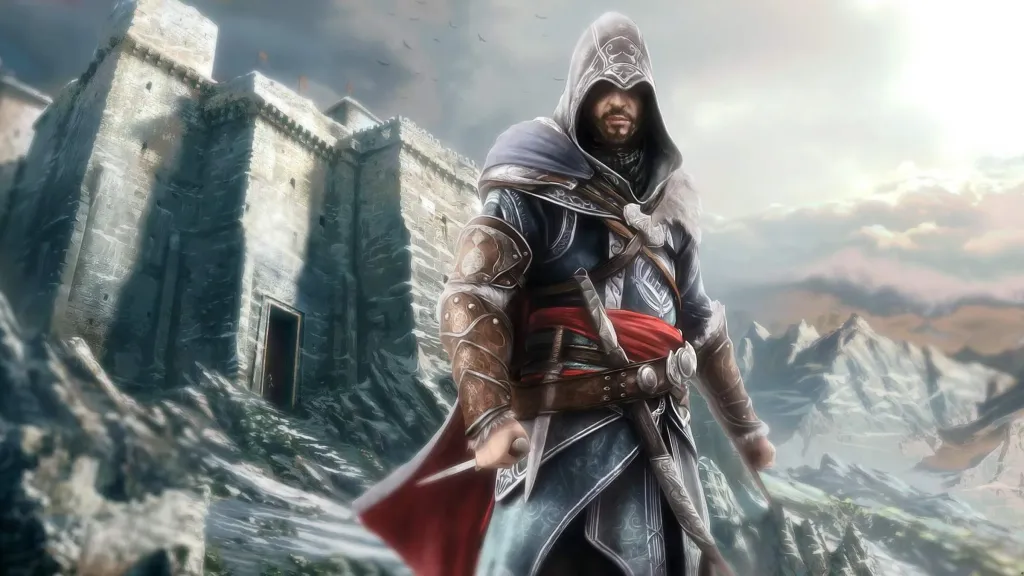
The success of Black Flag Resynced demonstrates that players still want to revisit classic Assassin’s Creed games. That should encourage Ubisoft to continue exploring remakes of older entries. If Assassin’s Creed II eventually receives the same treatment, expectations will be even higher because Ezio Auditore remains one of gaming’s most celebrated protagonists.
Adding new missions to Ezio’s story could be fantastic. There are plenty of opportunities to expand his adventures without changing the events fans already know. The challenge will be ensuring every line of dialogue, every character interaction, and every emotional moment feels authentic to the original writers’ vision. Anything less risks weakening what made the game special in the first place.
Black Flag Resynced shows that expanding a classic RPG or action-adventure is possible, and Ubisoft deserves credit for trying something beyond a standard remaster. My hope is that future Assassin’s Creed remakes build on that ambition while paying even closer attention to narrative consistency. Fans are eager for new stories, but those stories should feel like they were always meant to be there. When revisiting characters as beloved as Edward Kenway or Ezio Auditore, matching the heart and voice of the original games is every bit as important as improving the graphics.
