


Articles
16 Years Ago, One Legendary RTS Became The Gold Standard For The Genre, And It Still Hasn’t Been Topped

Real-time strategy games have a notoriously hard audience to please, as the genre often lives or dies off tactical depth and refined balancing between all of its elements. In many ways, these high standards are the result of one game that defined RTS titles ever since its release back in 2010. Even though there were plenty of games defined by real-time strategy before that title launched, the heightened polish and infinite possibilities of the game took every strength of the genre and combined it into an addicting experience.
When players try a new RTS, variety is one of the biggest requirements tied to building something memorable and replayable. The most influential RTS games of all time give players an endless amount of micro and macro actions they could pursue to form their strategies, made even more complex due to faction differences, environmental effects, or other factors. The best games in the genre have so much depth that they can still get meaningful updates years after coming out, with even minor tweaks having a big impact.
Starcraft 2: Wings Of Liberty Transformed The Real-Time Strategy Genre After A 12 Year Hiatus
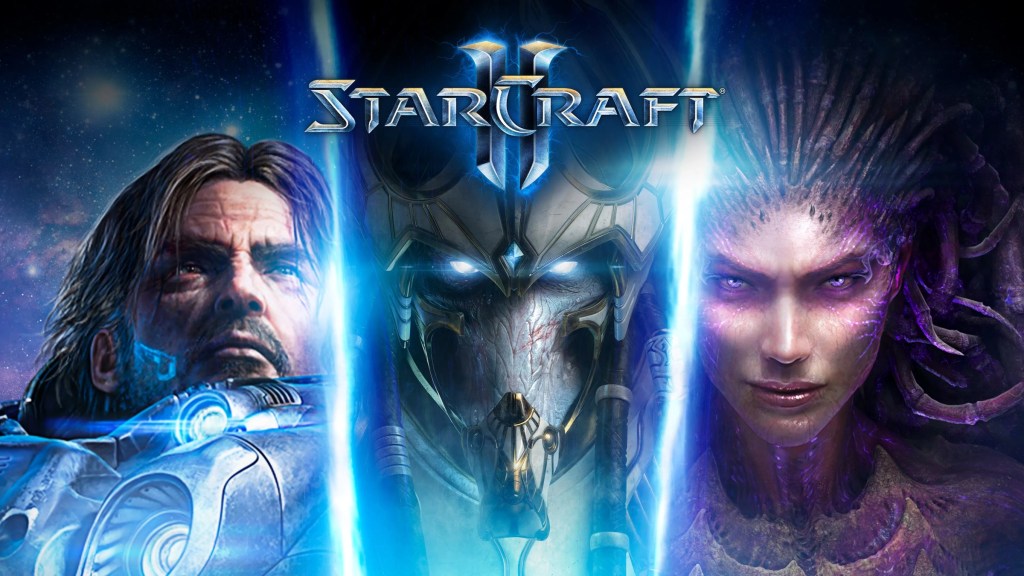
On July 27, 2010, Starcraft 2: Wings of Liberty brought back Starcraft after years of silence, marking an exciting return to a juggernaut and pioneer in the RTS genre. However, even die hard fans of the highly praised Starcraft: Brood War expansion of the original game couldn’t have anticipated how influential Starcraft 2 would be, with Legacy of the Void and Heart of the Swarm only helping its legacy grow. This game is still considered the best RTS ever made by some fans, and for a long list of good reasons.
For starters, Starcraft 2 built upon an interesting story established in the first game, using the time between its expansions to naturally grow excitement toward the campaigns behind different factions. The single-player content of Starcraft 2 was insanely good in a genre that normally focused on strategic competition over narrative engagement. Furthermore, the visuals and presentation of the game was far beyond anything an RTS offered before, perhaps creating the most polished title in the genre at the time.
At its core, Starcraft 2 has systems meant to act as a greater introduction to RTS games than prior titles could. The fast-paced strategies of an RTS could be easily overwhelming, but Starcraft 2 organized its systems through simple mechanics that allowed players to easily pick up on. That being said, the macro and micro skills are still equally important, requiring players to develop strategies and technical mastery to win competitive battles with opponents. Since every unit in the game feels useful for some reason, there are nearly limitless strategies players can develop to secure victories.
Multiple Expansions Added To Innovative Mechanics That Became Standard For Other Titles
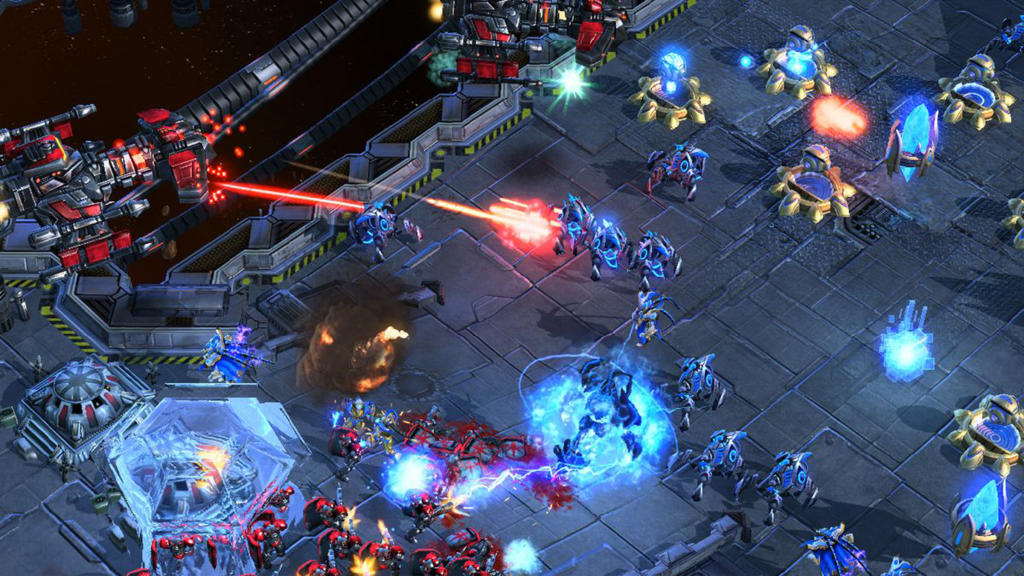
With Heart of the Swarm and Legacy of the Void, gameplay for Starcraft 2 only got better and better as time went on, balancing out some features to make everything feel viable. The fluent systems of the game means that every strategy has some sort of counter, with nothing feeling too strong or underwhelming as you play. Matches are paced quickly too, allowing for fast adaptation and improvement that rewards player creativity at every step. Decisions feel meaningful, especially when you can feel like the smaller victories throughout a match matter.
As more factions were added to Starcraft 2 as well, the expansions encouraged player learning more than anything else. Scouting to see what an enemy faction was building became a unique strategy in Starcraft 2, which would later become a standard of many RTS titles afterward. The constant back-and-forth between faking what you’re building and studying what your opponent is doing keeps matches interesting from start to finish, instead of the long “turtling” until someone makes a move that plagued older RTS games.
Players Continue To Compare Other RTS Games To Starcraft 2 More Than A Decade Later
Starcraft 2 is still getting updates in 2026, showing just how much staying power it has over nearly the last two decades. This RTS’ depth of strategic possibilities gave rise to Esports as we know it, developing a culture around competitive gaming that has influenced other titles like Overwatch, Counter Strike, and other popular titles. In some regions, Starcraft 2 even became a national sport, with players sinking 12-14 hours a day developing strategies in 24-hour venues to master the gameplay of Starcraft 2.
As a result, it’s easy to see why this game is often a comparison point to every RTS that comes out, even if they aren’t near the same level of polished that Blizzard’s IP has received. The “arcade-like” feel of Starcraft 2 serves as an excellent entry point to the genre, but never sacrifices layers of strategy in exchange for making gameplay “easier.” Mistakes have meaning, yet matches don’t take too long either, giving players chances to learn and refine their plans without taking up too much of their time.
There are endless examples of games using Starcraft 2‘s systems in their own titles, such as Stormgate, ZeroSpace, etc. Exciting choices with real consequences, a vibrant sci-fi world with an amazing story, and non-stop strategic action all scream “real-time strategy,” making Starcraft 2 the one title that players use as not an example for a genre, but its definition.
What do you think of Starcraft 2 around 16 years after the release of Wings of Liberty? Leave a comment below or join the conversation in the ComicBook Forum!
