


Articles
10 Years Ago, We Got One Of The Best Cozy Games Of All Time
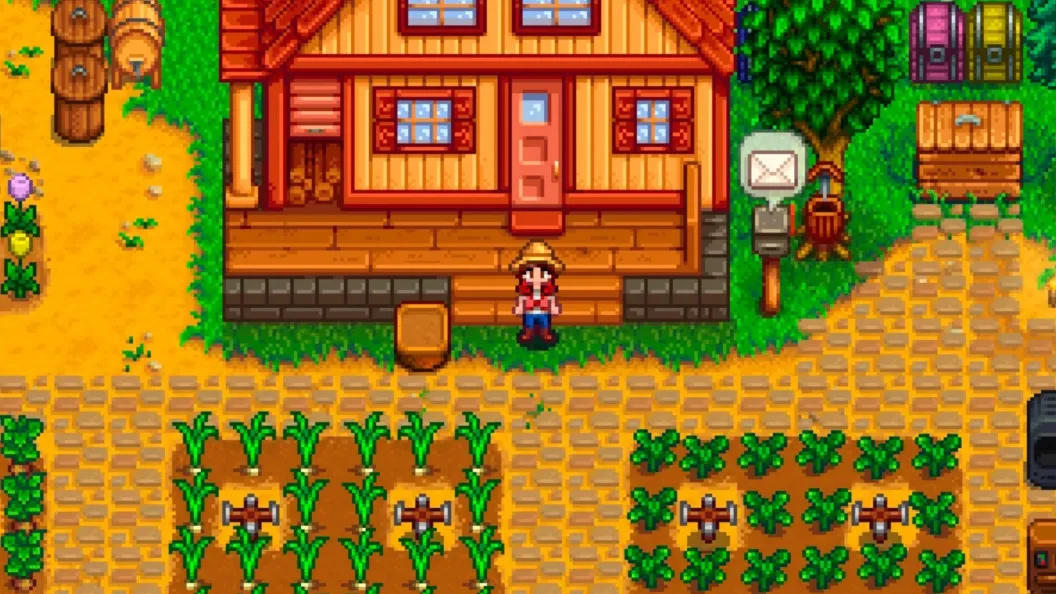
Stardew Valley came out a decade ago today, and it remains one of the best cozy game experiences ever. Whereas most mainstream successes tend to follow traditional formulas or revisit familiar franchises, the indie scene has seen really innovative approaches to established gameplay loops take off in unexpected ways. Games like Slay the Spire and Baltaro have proven that old concepts can be refiltered and reimagined into entirely new forms.
One of the best examples of this is Stardew Valley, which began life as an aspiring creative’s attempt to improve his own computing skills by creating the kind of farming game he would want to play. The mixture of calming gameplay and charming worldbuilding resulted in a game that’s a pleasure to play even ten years after it first launched. Here’s how Stardew Valley revitalized an entire genre and cemented itself as one of the best ways for gamers to relax.
Stardew Valley Went From Training Experiment To Global Smash
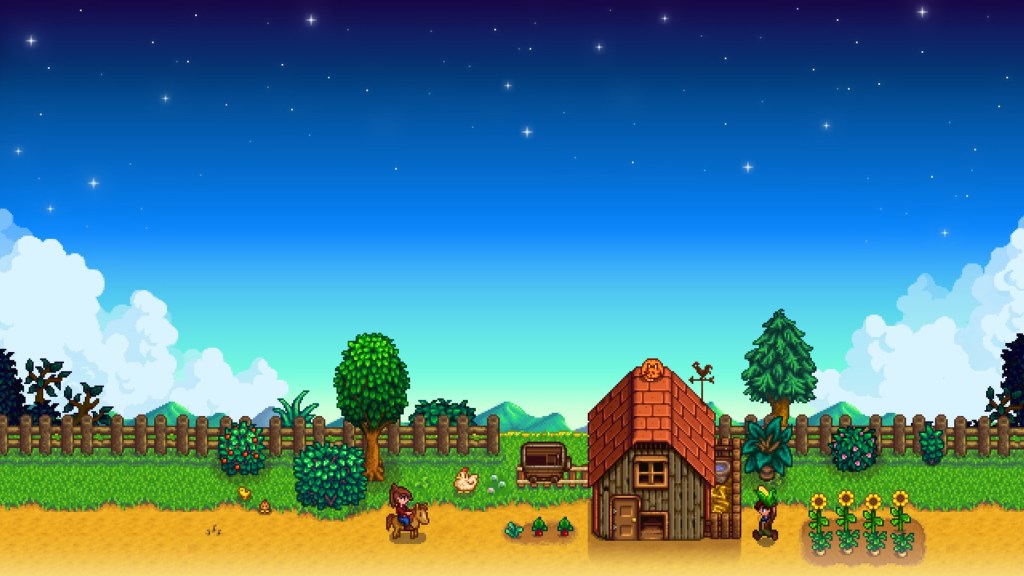
Developed by Eric Barone under the moniker of ConcernedApe and first launching ten years ago today, Stardew Valley is an open-ended farming sim where players farm, forage, and flesh out their lives in the titular rural community. Barone was a recent college grad who had been looking to improve his computer skills and refine his artistic capabilities. Basing much of the game’s underlying elements on his experience growing up in the Pacific Northwest and his longstanding love for Nintendo’s Harvest Moon series, Barone’s frustrations with the later games in that series prompted him to craft the kind of Harvest Moon game he would want to play.
After gaining early attention online from potential players and attracting the attention of developer/publisher Chucklefish, which expressed interest in the game. This gave Barone time to really build out the experience, crafting all the in-game assets himself while finding novel ways to put emphasis on the player’s comfy experience instead of any focus on larger profits. After over four years in development, Stardew Valley was released on February 26, 2016, and quickly became a fan favorite. Earning strong reviews from the gaming press, even early critics would later revisit their prior critiques and improve their reviews after updates went into effect. In the last ten years, the game has sold over 50 million copies, becoming a modern classic in the eyes of fans and the industry at large.
How Stardew Valley Took Past Styles And Made Its Own
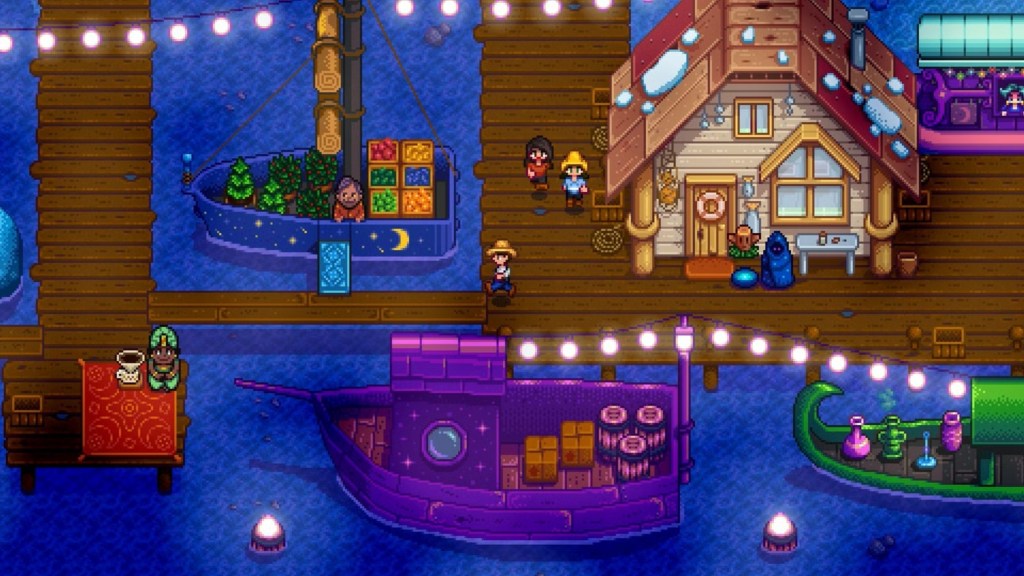
Stardew Valley was far from the first cozy game to break out big with gamers. Titles like The Sims and Animal Crossing had already proven there was a place in the broader gaming market for relaxing life-sims amidst all the non-stop action of most mainstream games. Harvest Moon had also underscored the potential of farming as a central game mechanic. Even elements like the relationship dynamics, which could allow players to romance someone and even become a parent, had been done before in other expansive games like Fable.
Stardew Valley took all those different influences and filtered them through Barone’s artistic impulses and light touch. That’s the secret ingredient of this game, with the pixel art, soft coloring, and charming music helping sell the laid-back vibes. It created a world that players wanted to spend time in. It took the charm of Animal Crossing and gave players more agency in their choices, simplifying the dynamics just enough to make it easy to pick up — but that core storytelling and artistic spirit make it almost impossible to put down. It’s a relaxing time, even if you’re just watching it from afar or managing the farm yourself.
What Makes Stardew Valley Truly Special
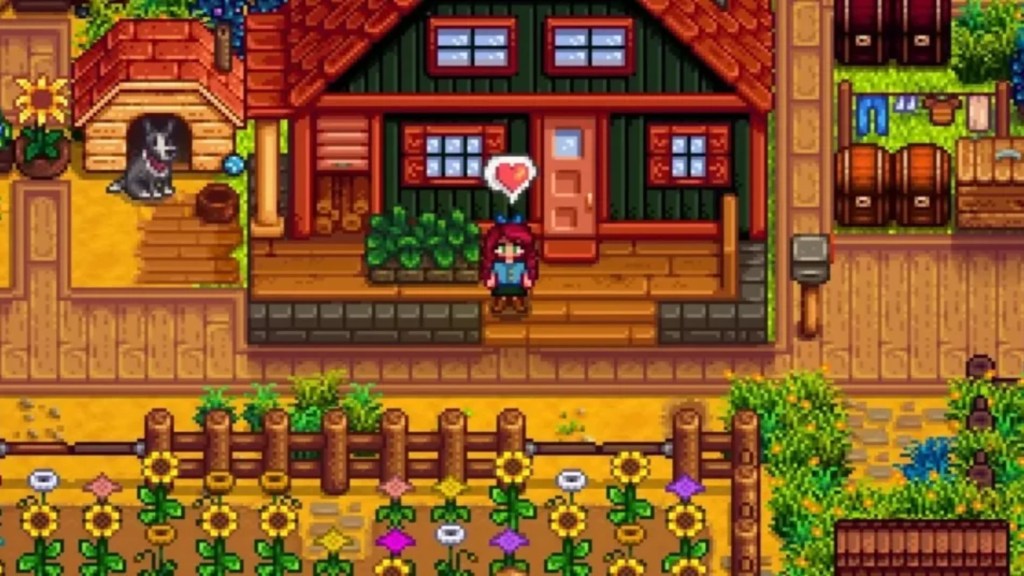
What makes Stardew Valley especially vital in the genre is the way it revitalized it. The genre had been codified by Harvest Moon, which producer Yashhiro Wada had based on his own childhood in the Japanese countryside. However, as time went on, the series evolved into divergent paths. While games like Animal Crossing leaned hard into the cozy game aspects of Harvest Moon‘s tone, other franchises like Rune Factory fused the game with JRPG elements. Meanwhile, lightweight farming sims were released on social media platforms like Facebook, with games like FarmVille proving there was an appetite for that kind of experience with casual gamers.
It was Stardew Valley that really nailed the alchemy of tone, tenor, and style, taking elements from the best of past farming sims and making it its own. Stardew Valley is the best game about farming ever released and arguably the most effective cozy game ever made, a gentle and soft-spoken experience that proves gaming can be more than what most gamers expect of it. It’s the perfect game to give to non-gamers and veteran players alike. Stardew Valley has spent the last decade in a special place in gaming culture, and that placement isn’t going to change anytime soon.
