


Articles
Final Fantasy Made a Big Change Almost 30 Years Ago (and It’s Still Important Today)
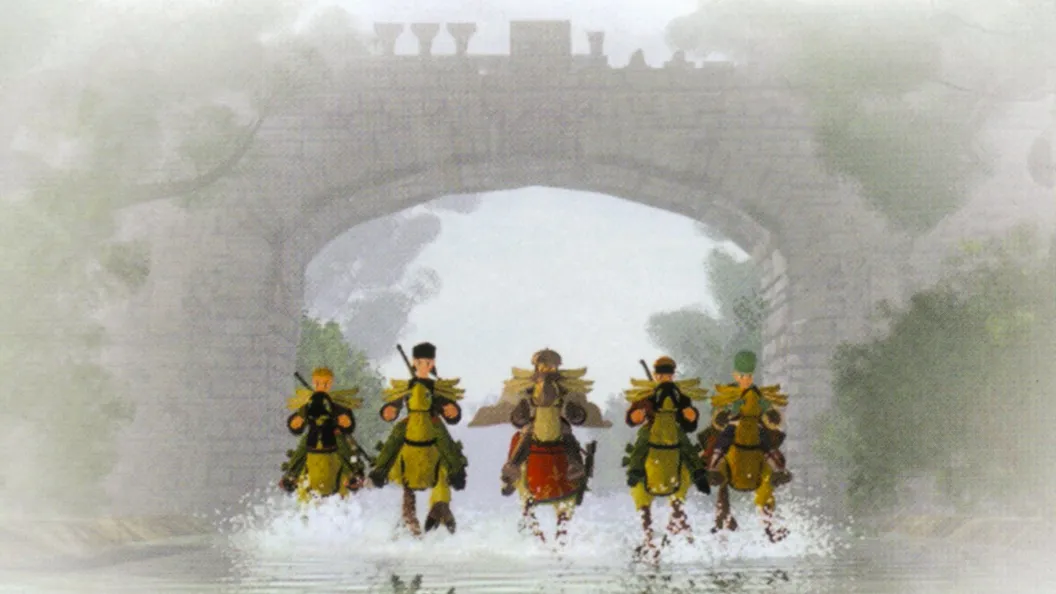
The Final Fantasy series has produced a lot of hit games over the years, typically through its classic turn-based RPG format. However, nearly thirty years ago, the franchise proved it could be more than that with Final Fantasy Tactics. Debuting on the PlayStation in Japan in 1997 before making its way to North America the following year, Tactics takes the fantasy storytelling of the other entries in the series and filters it through a turn-based format.
The result is a game that feels like a perfect encapsulation of the storytelling tropes inherent to the series, but with a willingness to experiment with format. It’s also a well-designed strategy game that can work on its own, even if you’ve never actually stepped into the worlds depicted in Final Fantasy games. Looking back, here are the key reasons Final Fantasy Tactics remains such an impressive title.
Why Square Enix Final Fantasy Tactics
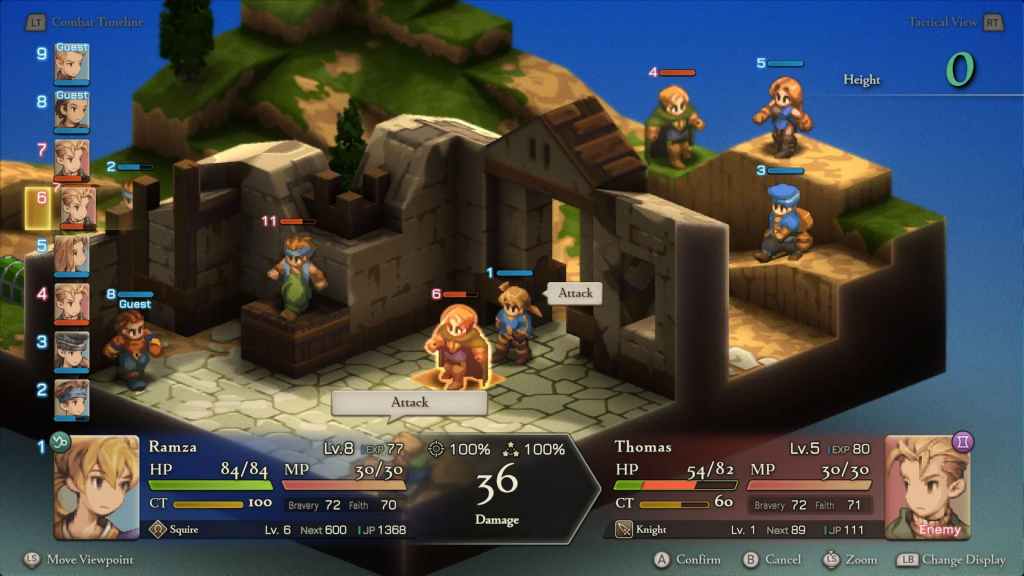
The early DNA of Final Fantasy Tactics can be traced back to a desire to see the franchise expand in new ways, something that is core to the success of the series. Final Fantasy series creator Hironobu Sakaguchi had expressed interest in a strategy game version of the franchise, but was unable to commit the time and energy needed for a new game due to his prior commitments to the mainline Final Fantasy games. This led him to bring in Yasumi Matsuno, who had been a mainstay on the Ogre Battle series. Bringing over multiple members of his team to Square Enix while adapting their quicker pacing to be more in line with the Final Fantasy brand, Matsuno served as the director and lead writer on the project. Whereas the other Final Fantasy games of the era were at the cutting edge of polygon graphics (which makes them feel dated now), the hand-drawn visual aesthetic and deliberate strategy of Tactics gave it a sense of classic charm.
Taking inspiration from not only the Final Fantasy franchise but also his own experience working in the games industry, Matsuno delivered a story that was all about the challenges that come with hope, especially in a society where class and wealth disparity have left the innocent to fend for themselves. Depicted as a historical tale, Final Fantasy Tactics tells the story of Olan Durai and the “War of the Lions” over the throne that left the kingdom of Ivalice consumed by war. With a story that was willing to explore heavy social themes and darker subject matter, Final Fantasy Tactics felt like a departure from the other early Final Fantasy games. It even still retains a perfectly tragic and quietly ambiguous ending that still haunts players to this day. All bolstered by solid gameplay that stands the test of time, Final Fantasy Tactics was proof that the series could be more than just the standard RPG it was otherwise known for at the time.
Final Fantasy Took A Big Step With Tactics
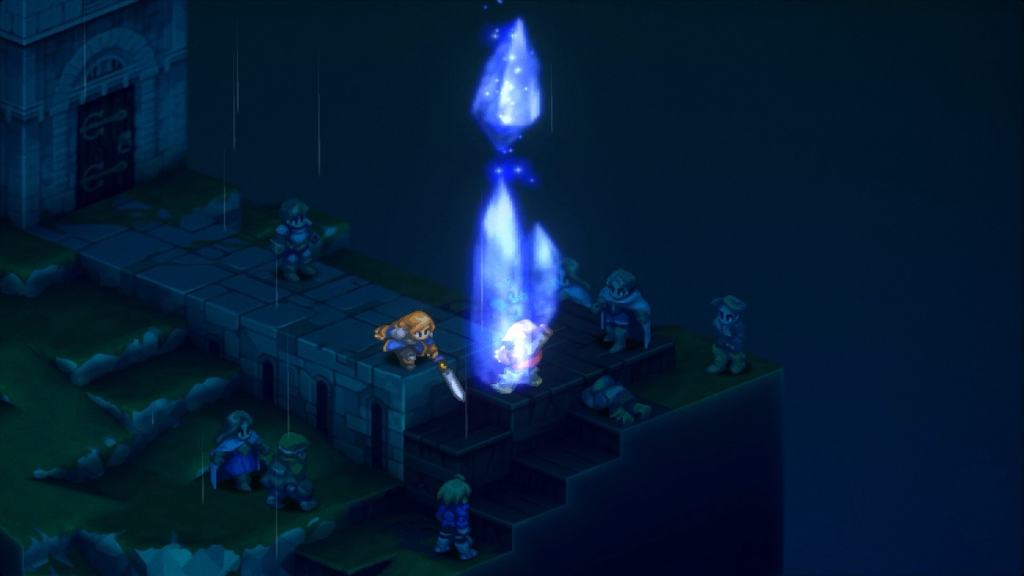
Final Fantasy Tactics was an interesting digression for the overall franchise. While it was still ultimately a story-driven game with underlying character archetypes and a turn-based approach, its differing scale and style speak to the mutability of the Final Fantasy franchise as a property. The game was a big swing in 1997 and 1998, and it was a relief when it connected with players. The game received strong reviews at the time of release, with a cumulative 83/100 Metacritic score. While it couldn’t necessarily compete with the sales of the mainline series like Final Fantasy VII, Tactics developed a dedicated following that turned it into a sleeper hit and cult classic. It’s been remade and rereleased, and the setting was revisited in mainline titles like Final Fantasy XII, speaking to the impact on fans. In retrospect, though, it stands out in the history of the franchise as proof that spin-off series could succeed.
Coupled with the radically different (and Japan-exclusive) Chocobo’s Mysterious Dungeon, this strategy game proved to global audiences that Final Fantasy could mean more than just an RPG. This development opened the path for plenty of other spin-offs, which played with the strategy style established here or experimented with other gameplay styles. The unique visual aesthetic came at a crucial point in the evolution of Final Fantasy‘s typical visual style in a 3D space. Being so wholly different from Final Fantasy VII proved that the space could support multiple approaches to the concept.
The series had already proven it could tell self-contained stories and grand epics. The ability to spin off in entirely new directions and with new approaches to gameplay laid the seeds for wild crossovers like Kingdom Hearts and experimental approaches such as Final Fantasy Crystal Chronicles. Final Fantasy Tactics is a solid strategy game enhanced by a surprisingly somber story, a trademark touch of the franchise that feels true to the history of the series even while creating something new. Final Fantasy Tactics may be overshadowed by other releases in the series, but it’s quietly one of the most important entries in the overall franchise.
