


Articles
The Critical Mistake Behind Splitgate 2’s Comeback
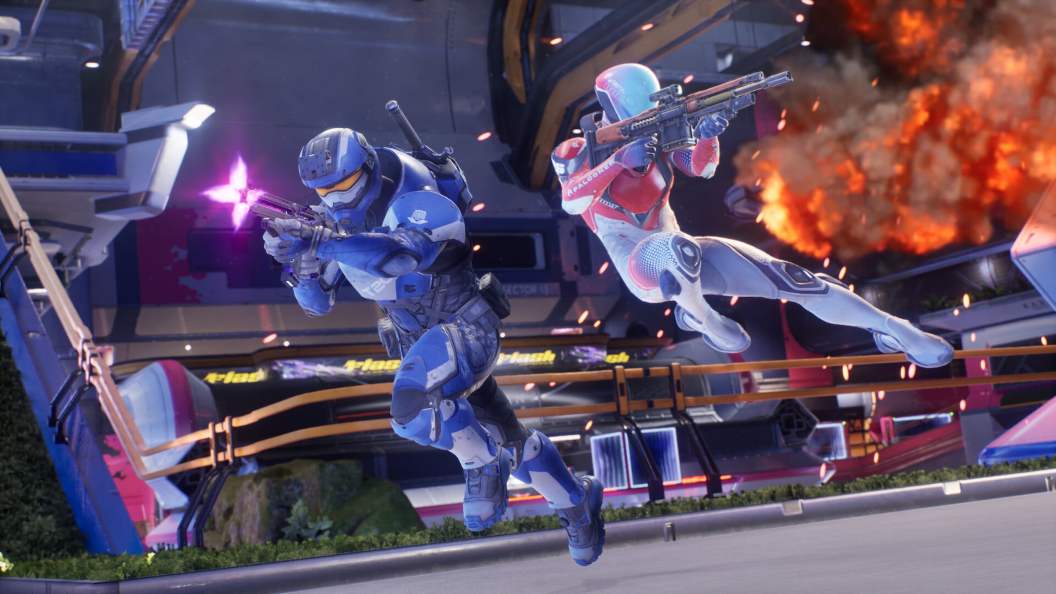
Splitgate was one of those rare games that just clicked. It was an extremely well-designed fusion of Halo’s well-known gunplay and Portal’s, well, portal-based gameplay. It was a genuinely fun experience, with matches that were both enjoyable to watch and play through. People loved it as it did not overpromise and delivered something different from the typical in the FPS space. All of this makes watching Splitgate 2‘s unraveling all the more disappointing.
The sequel to Splitgate did not just stumble. It self-sabotaged in a way that is almost impossible to achieve by gaming standards. What should have been a natural evolution of a beloved underdog became a lesson in just how badly leadership tone can sink a project. To be clear, it takes a ton of effort to destroy your own game in this way. One shiny trailer is typically enough for most gamers to forget PR jargon. So Splitgate 2’s failure is impressive, not because the game is good or bad, but because its failure can largely be attributed to how it was showcased to the public.
How One Stage Moment Doomed Splitgate 2

A single, overconfident, and completely tone-deaf moment changed everything, and the fallout still echoes now in Splitgate: Arena Reloaded. The moment happened during Summer Game Fest 2025, a massive showcase where the spotlight is unavoidable. The team behind Splitgate appeared on the show floor to announce the game’s battle royale spin-off. Appearing on the main Summer Game Fest stage often involves hundreds of thousands of dollars in promotional slots, which shows just how much 1047 Games likely invested in this reveal. This should have been Splitgate 2’s moment to prove why it was worth returning to.
Instead, CEO Ian Proulx used the stage to mock the FPS genre while wearing a politically charged hat, a display meant to show confidence that instead came across as arrogance and tone-deafness. The move backfired immediately. By talking down the entire FPS genre on a stage streamed to millions, he turned what should have been a showcase for the game into a moment of embarrassment. It was the kind of overreach that makes fans step back, shake their heads, and question whether the studio even understood why the first game worked.
The backlash hit hard and fast. Social media lit up with frustration, disbelief, and anger, as fans who had once defended the studio questioned whether Splitgate 2 was even worth their time. In a single moment, Splitgate 2 went from a highly anticipated sequel to a cautionary tale of arrogance. Games that had loved the original felt betrayed. Those sensitive to politics took their social stages and also mocked the studio for walking into a political landmine. The trust that had taken years to earn evaporated almost instantly, leaving skepticism and disappointment in its place all over the internet. Truly a plague on House Splitgate.
Why Splitgate: Arena Reloaded Faces an Uphill Battle
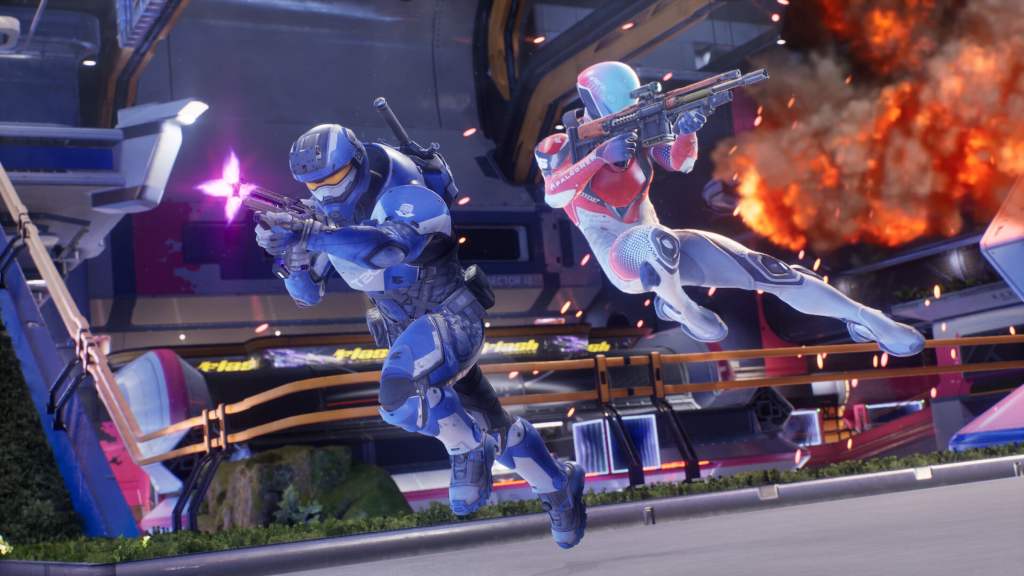
In an attempt to shave off some of the self-inflicted damage, 1047 rebranded Splitgate 2 and relaunched the title as Splitgate: Arena Reloaded. The intent was meant to hit reset, but the damage from that Summer Game Fest stage moment dealt the game’s reputation irreparable damage. Players remember the leadership mocking the FPS genre and inserting political commentary, and that memory overshadows the new branding, updated features, and newly polished presentation. Nothing can fully erase the mark left by that misstep.
There is also a sense of exhaustion around the game as a whole. Arena Reloaded has to prove itself to people who already feel burned, which is a much harder fight than any leaderboard climb or matchmaking fix. Trust, once broken, is slow to repair, and this game is trying to rebuild it while under a microscope. Worse, Arena Reloaded is a live-service title, meaning the hill this game has to climb for success now is even steeper. A successful live-service is naturally notoriously difficult to pull off. To do so with such a horrible stigma is nearly impossible.
The painful truth is that the core of Splitgate is still brilliant. But confidence without humility turned into a liability, and now Arena Reloaded has to fight for attention and forgiveness at the same time. Speaking of, the relaunch for Arena Reloaded is already struggling. On Steam, concurrent players peaked at just under 2,300 on launch day, and most days see only 800 to 1,000 active players. It also had an all-time peak of 25,674. These numbers, altogether, are very poor for a live-service title. The relaunch has yet to spark the renewed interest it needs to succeed, and these numbers make the struggles painfully obvious.
It’s worth noting that if the hat had not been part of the reveal, it’s likely the jabs at the FPS genre might have been shrugged off as playful confidence rather than arrogance. The combination of mocking the genre and layering in a politically charged symbol is likely what truly ignited the backlash, turning a moment that could have been harmless into one that still haunts Arena Reloaded today. The relaunch is an attempt to correct course, but some mistakes leave scars too deep to cover.
What do you think? Leave a comment below and join the conversation now in the ComicBook Forum!
The post The Critical Mistake Behind Splitgate 2’s Comeback appeared first on ComicBook.com.
