


Articles
7 Star Wars Expanded Universe Stories That Are Better Than the Sequel Trilogy
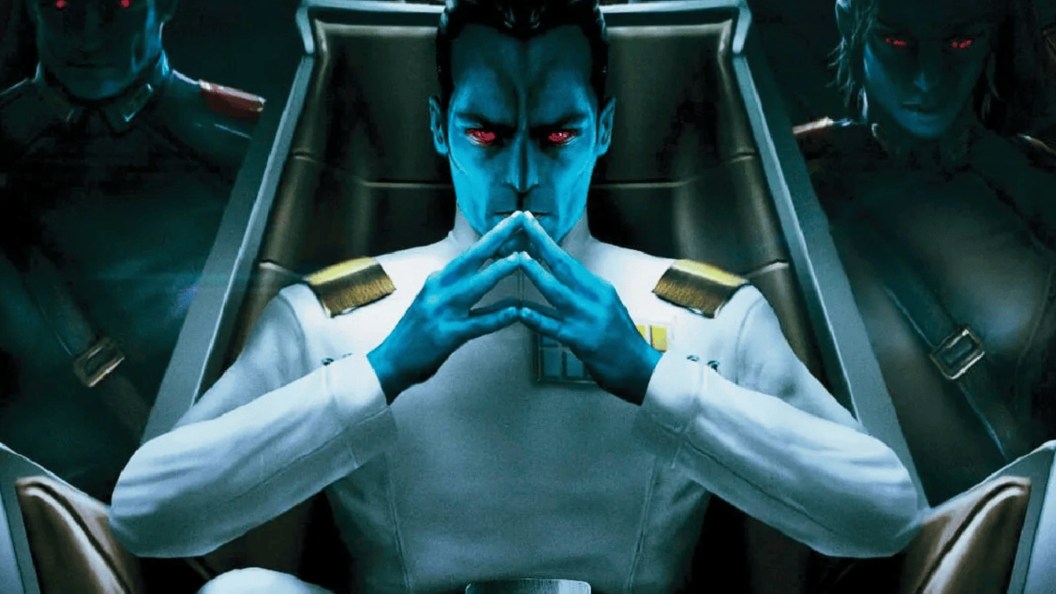
The legacy of Star Wars changed forever when the Expanded Universe was rebranded as “Legends” and no longer considered official canon, making room for a new sequel trilogy. While the Disney-era films are certainly cinematic spectacles, many fans felt a void where the original continuation of the Skywalker Saga once stood. For decades, authors meticulously crafted a sprawling, interconnected galaxy that honored the original trio while introducing legendary new heroes and villains. These stories didn’t just revisit familiar worlds; they challenged characters with complex moral dilemmas, world-shattering threats, and logical changes for the Jedi Order. From the redemption of Imperial assassins to the tragic fall of a twin, the Expanded Universe provided a richness of world-building and character consistency that many argue surpasses the canonical sequels.
Exploring the Legends continuity reveals a version of the franchise where the weight of the galaxy’s past and legacy is handled with incredible care.
7) Star Wars: Legacy
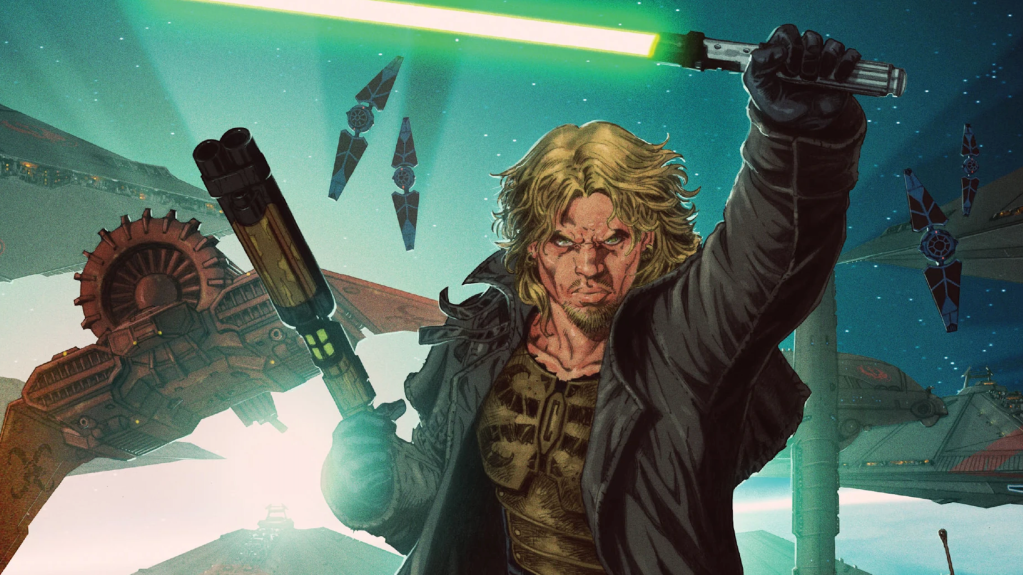
Set over a century after the original trilogy, this comic series introduces Cade Skywalker, a cynical bounty hunter who has abandoned his (very clear) Jedi heritage. Unlike the way the sequels treated the Skywalker name, Legacy explores a galaxy that has evolved into a complex landscape involving a new Galactic Empire and a very threatening Sith Order. Cade’s internal struggle feels grounded in a world that has moved on from Luke and Leia’s era, yet remains haunted by his famous family’s massive shadows.
Legacy succeeds by taking massive risks with the lore, creating a “One Sith” philosophy that, overall, feels like a natural evolution of the dark side. By removing itself from the films by over one hundred years, it builds a future where the consequences of the past still ripple across every star system. Legacy is a gritty, imaginative conclusion to the Skywalker bloodline that feels both fresh and deeply rooted in the established mythos of the galaxy in a way that the sequel film series does not.
6) The Darth Bane Trilogy
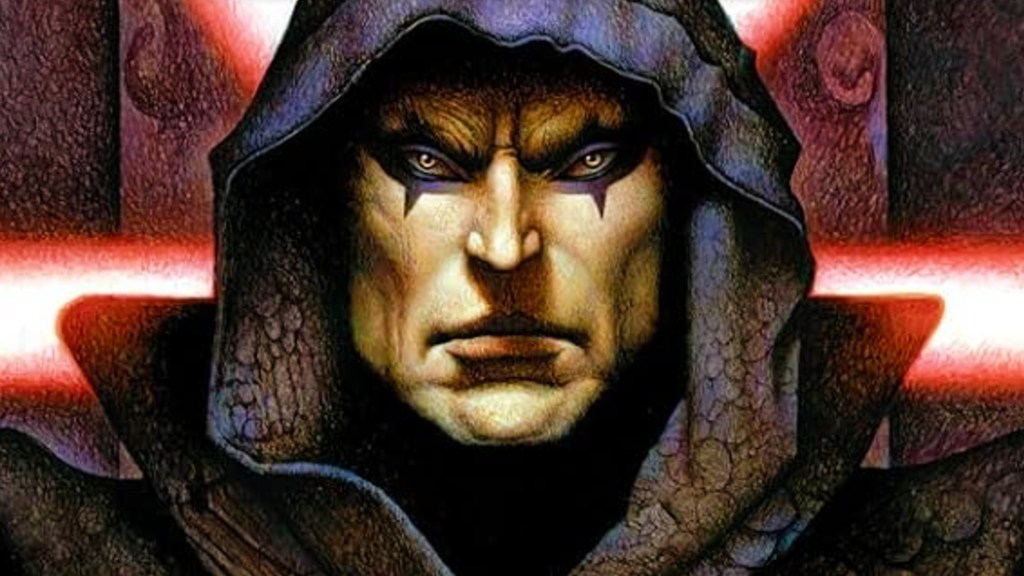
While the sequel trilogy struggled to figure out exactly what the legacy of the Sith would be, the Darth Bane trilogy lays out a definitive and chilling look at their philosophy. Following the rise of Des, who eventually becomes Darth Bane, the story explains the birth of the “Rule of Two.” It shows the dark side not just as a generic “bad guy” archetype of evil, but as an unyielding, survivalist ideology that did not hesitate to destroy the weak to ensure ultimate power and focus.
The depth in the Darth Bane trilogy is a much more satisfying explanation for the Sith’s survival than the rather sudden and unearned plotlines in newer films (“Somehow, Palpatine returned”). The Darth Bane trilogy shines a light on the tactical brilliance and patience needed to dismantle the Jedi from the shadows over a millennium. The relationship between Bane and his apprentice, Darth Zannah, is an exciting yet dangerous high-stakes dynamic that shows the true cost of seeking absolute control over the Force, far exceeding any seen in the revised modern canon.
5) The X-Wing Series
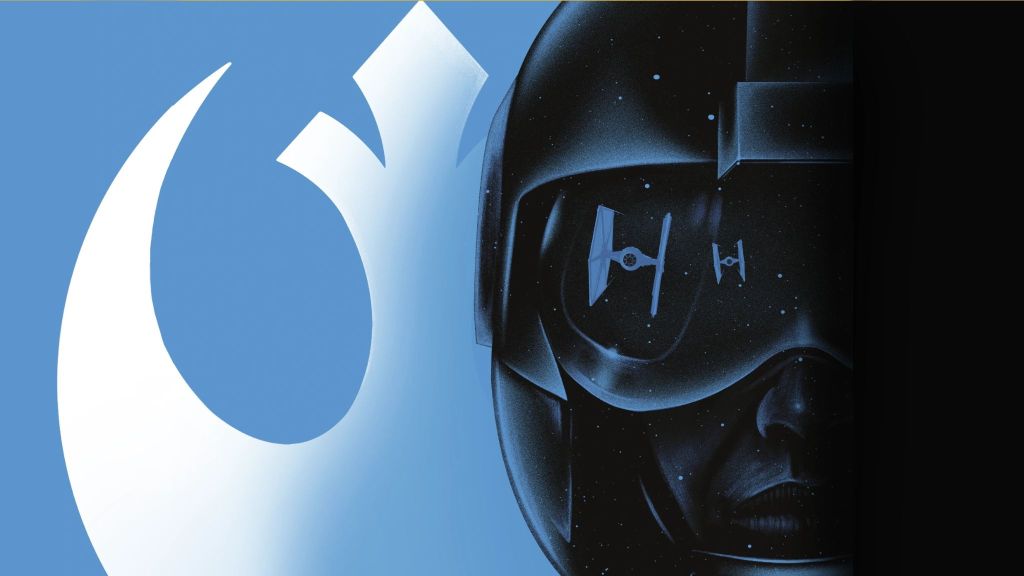
Michael A. Stackpole and Aaron Allston shifted the focus away from Jedi and Sith to the ordinary soldiers of the New Republic. Centered on Wedge Antilles and the pilots of Rogue and Wraith Squadrons, the X-Wing series does not shy away from showing what the reality of reclaiming the galaxy from Imperial remnants really looked like. The series is known for its sweeping space battles that are written with tactical precision, all while developing a cast of lovable, flawed characters who feel like a true military family.
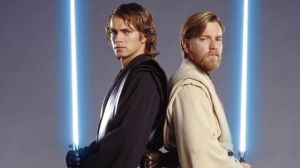
Unlike the sequels, which often sidelined the New Republic’s military infrastructure, the X-Wing books make the political and strategic struggle feel vital. The closest current canon has come to staying true to these themes is Star Wars Rebels. X-Wing shows the liberation of Coruscant and the hunt for Warlords, making the fantasy elements feel more grounded in a believable war drama instead of a space opera. By focusing on the “average” heroes, these stories expand the scope of the universe, proving that the struggle for freedom was built on more than just a single lightsaber or a legendary, fated bloodline.
4) Knights of the Old Republic
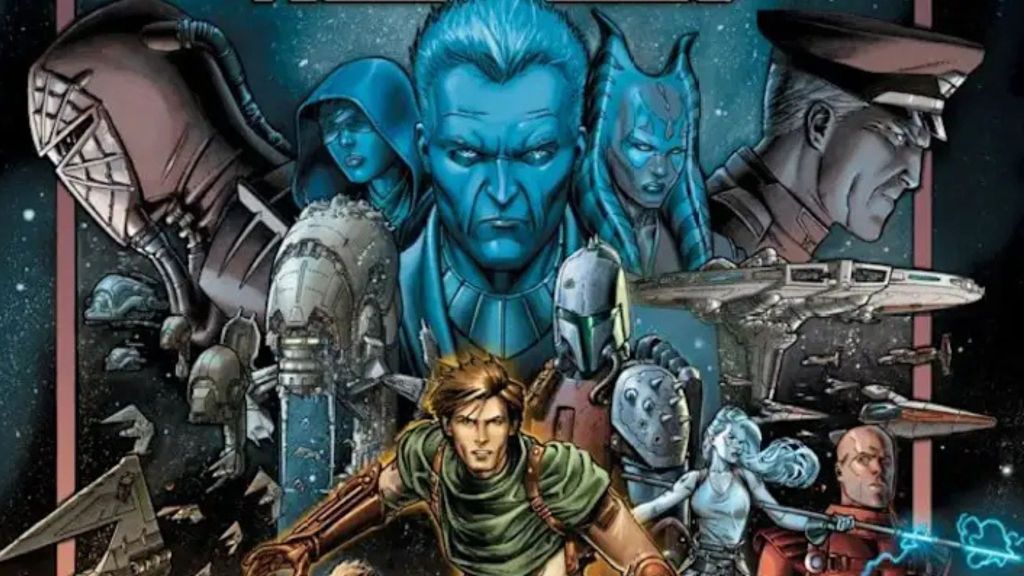
Although set thousands of years before the films, the Knights of the Old Republic era built the thematic foundation that the sequels could not. Stories like Revan’s and Malak’s explore the blurred lines between light and dark, showing how even the best intentions can lead to terrible outcomes. It introduces a version of the Jedi Order that is flawed but deeply connected to the galaxy’s history, making the eventual fall of the Republic feel earned, ancient, and ultimately tragic for everyone.
The famous twist when it comes to Revan remains one of the greatest moments in the entire franchise, providing commentary on identity and what it truly means to seek and be given redemption. Compared to the confusing bloodlines tied to clones and the clear disagreement between different writers regarding what a character’s familial connection should be in the sequels, Revan’s journey is a masterclass in foreshadowing and emotional payoff. This era’s world-building is so detailed and filled to the brim with quality content that it created a standalone legacy, proving that Star Wars can thrive when it moves beyond the shadow of the original films.
3) The Solo Twins

Jacen and Jaina Solo represent the “next generation” done right, with their growth spanning dozens of novels that see them through childhood to mastery of the Force truly worthy of the Skywalker legacy. Their relationship creates an emotional anchor for the New Jedi Order series in a way the sequels failed to do with Ben Solo/Kylo Ren. Watching the twins develop distinct personalities—Jaina as the “Sword of the Jedi” and Jacen as a philosopher—made the fans far more invested in their lives and what the galaxy would throw at the budding Solos next.
Their ultimate tragedy, where Jacen falls to the dark side, and Jaina is forced to stop him, is a perfectly heartbreaking parallel to the Skywalker legacy, particularly when it comes to Anakin Skywalker. Jaina and Jacen’s conflict feels earned because readers spent years watching their bond grow through shared trauma. Unlike the rushed attempt to redeem Kylo Ren, the fall of Darth Caedus is a slow, methodical chess game that forces the entire Solo family to confront the darkest parts of their own heritage in a truly epic fashion.
2) Mara Jade’s Evolution
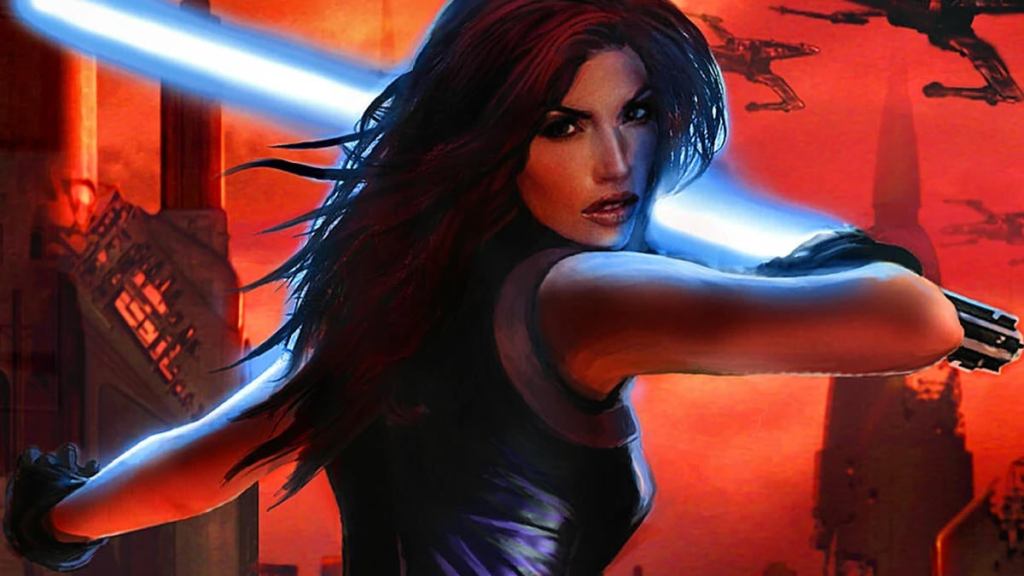
Mara Jade is perhaps the most iconic character to never appear on screen (despite fan outcry), evolving from the Emperor’s Hand to a respected Jedi Master. Her journey starts with a telepathic command to kill Luke Skywalker, but her eventual redemption is one of the EU’s finest and most memorable achievements. Mara Jade is the perfect foil for Luke, challenging his idealism with her pragmatic, cynical edge. Their partnership is a genuine, hard-won union between two equal and fierce warriors.
Including Mara in the post-original trilogy era was a gamble that paid off in spades, as her presence added a layer of maturity and complexity that was needed as the main characters moved into adulthood and navigated creating the New Republic. She gives Luke a reason to stay connected to the world, making his growth as a teacher more grounded and in line with his character, unlike the isolated and cantankerous hermit seen in the sequel trilogy. Mara Jade’s eventual fate is a cornerstone of Star Wars lore that went far beyond the way legacy characters were treated in recent films, as it honors her entire history as a complicated, brilliant survivor.
1) The Thrawn Trilogy

Timothy Zahn’s Heir to the Empire is widely considered the true sequel trilogy by many fans and is a standout work of art. It introduced Grand Admiral Thrawn, a different type of villain from what was previously seen, who relied on cold logic and art history rather than the Force to cleverly outmaneuver his enemies almost every single time. Thrawn’s tactical approach and lack of empathy made him a genuine threat who never felt cheap or simply used as a plot device. The Thrawn trilogy successfully balanced the roles of Luke, Leia, and Han while introducing a new, terrifying era of Imperial resurgence.
The trilogy brilliantly explores the difficulties of building a new government while still at war, which is a nuance that is just starting to be explored in the current canon in shows like Star Wars: Ahsoka and Star Wars: The Mandalorian. Zahn’s books respect the power levels of the original heroes in a way that fans always wanted to see their heroes, all while forcing the trip to adapt to a changing galaxy and a brilliant enemy. By grounding the conflict in military strategy and political intrigue instead of grand space battles, Zahn created a benchmark for Star Wars storytelling that remains the gold standard for how to continue the saga after the Emperor’s initial fall.
What do you think? Leave a comment below and join the conversation now in the ComicBook Forum!
The post 7 Star Wars Expanded Universe Stories That Are Better Than the Sequel Trilogy appeared first on ComicBook.com.
