


Articles
7 Years Ago, An Acclaimed 1990s Series Finally Got The Anime It Deserved
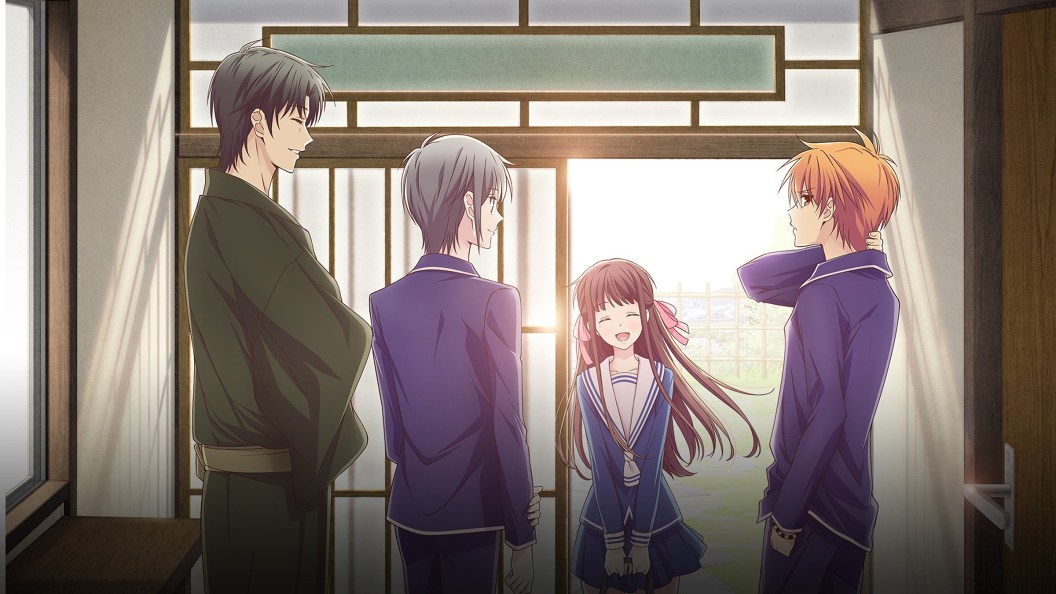
The acclaimed 1998 Shojo manga, Fruits Basket, by Natsuki Takaya, received a controversial anime adaptation in 2001, which was later discontinued after one season. The anime made considerable changes from the original source, reportedly upsetting Takaya. Studio DEEN, which adapted the manga in 2001, took liberties in changing the plot despite knowing where the story was headed, and even shifted the tone of the story into something lighter and comedic. On the other hand, Takaya always intended for the story to have a more dramatic and darker tone, even though it fills viewers with hope and warmth. One of the most intriguing parts of the story is how it balances the emotional and comedic aspects of the story, which the original anime fully expresses.
It took almost two decades for the series to finally get an adaptation it deserved, as a reboot by TMS Entertainment was released on April 5th, 2019 (April 6th in Japan). The reboot was more faithful to the story, mirroring the complexities and the darker themes of the story.
What Is Fruits Basket About?
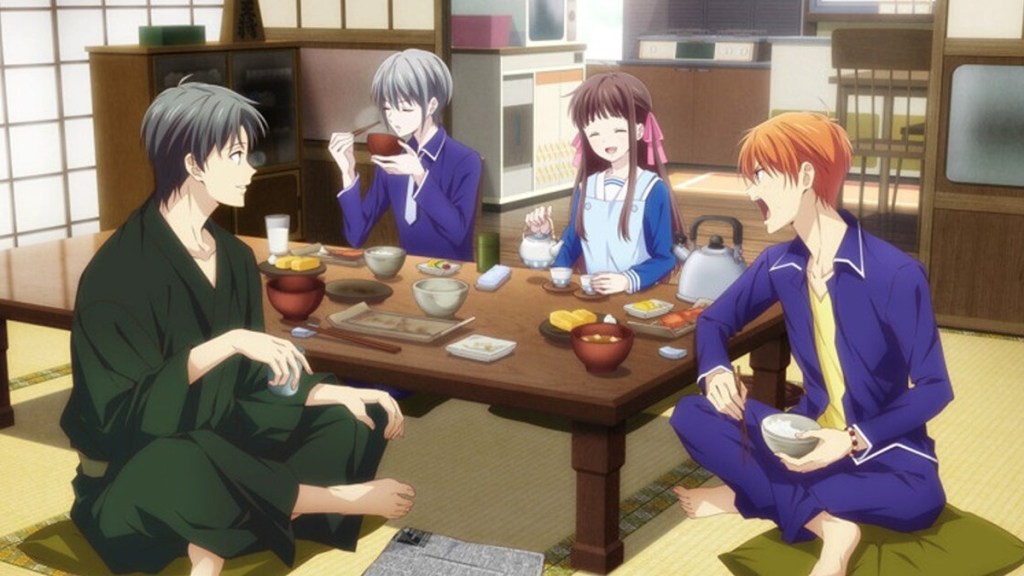
The story follows Tohru Honda, a kind and compassionate high school girl who recently lost her mother and had nowhere else to go when her grandfather’s house was under construction. She ends up living in a tent for a while and stumbles upon the Sohmas. After finding out about her situation, her classmate, Yuki Sohma, and his cousin, Shigure, invite her to stay at their home for a while. However, when Kyo Sohma arrives at the house, Tohru discovers that certain members of the Sohma family are cursed.
13 members of the Sohma family transform into animals of the Chinese Zodiac whenever they get physically weak or hugged by someone of the opposite sex. Surprisingly, instead of being disgusted, she finds them intriguing and forms a special bond with the Sohmas as she keeps meeting new members of the family. The anime explores themes of love, loss, trauma, abuse, and healing, often delving deeply into emotional moments that resonate deeply with fans.
While it did have to remove certain scenes due to production constraints, the overall adaptation was far better than anticipated. Furthermore, after the final season ended, the anime also released a prequel film to follow the story of Tohru’s parents, which wrapped up the incredible story. The film captures the struggles of Kyoka Honda, who leaves her home and embraces her feelings for Katsuya before exploring motherhood despite her past trauma.
What do you think? Leave a comment below and join the conversation now in the ComicBook Forum!
