


Articles
7 Masterfully Written Anime That Everyone Should Watch, Ranked
Many popular anime benefit from stunning animation and unique concepts, but series with masterful writing stand above the rest. There are so many storytelling elements that can take an anime from good to great. However, the ability to combine them into a cohesive and compelling final product is, unfortunately, difficult to master. That’s why there are so many anime with great animation but lackluster plots. Fortunately, plenty of others shine on both fronts.
A well-written narrative needs to nail many moving parts, from believable characters and smart dialogue to well-conveyed world-building and a solid plot structure. One-note personalities and jarring exposition threaten to take viewers out of a series, even if its action and visuals are up to snuff. From a revenge anime set in the Viking Age to two modern classics, these series get the writing part right — and that’s why everyone should watch them.
7) Vinland Saga
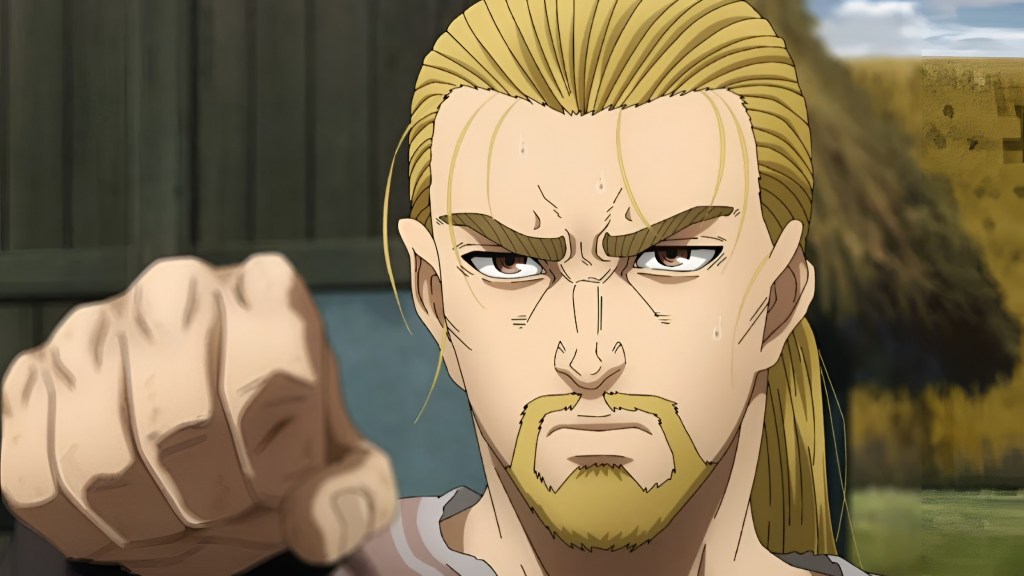
Vinland Saga doesn’t get enough credit for being one of the best-written anime of the last 10 years, likely because it loses some of its momentum in Season 2. Of course, that’s precisely the point. And it’s actually a sign of the series’ masterful writing. Vinland Saga‘s willingness to slow down and unpack the psychological impact of grief and violence is impressive on its own. But the fact that the series approaches these topics with such care — and still manages to weave them into a greater narrative — is what really stands out.
The anime’s great character writing isn’t limited to Thorfinn, either. And it paints a realistic picture of the Viking Age, giving enough context for viewers unfamiliar with the time period without bogging the story down with history lessons and exposition. Given more seasons, the series could rank higher eventually. However, Vinland Saga could do a slightly better job of balancing certain storylines with its main focus; it would’ve been nice to see a bit more of Canute and how he contrasts Thorfinn in Season 2.
6) Attack on Titan
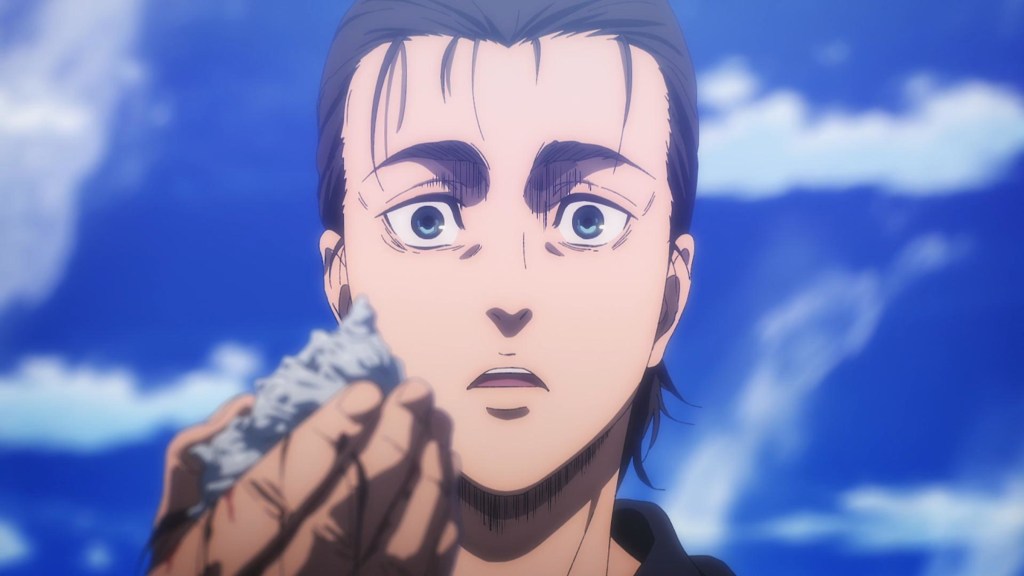
Attack on Titan has its flaws, but there’s no denying it’s masterfully pieced together. The anime’s character writing and world-building are impressive from the jump. Despite the sheer size of its cast and setting, it never feels like details are being spoon-fed to viewers. But it’s the way that Attack on Titan is always a step ahead of its story that truly makes its writing stand out. On a rewatch, it’s obvious that the anime begins setting up its endgame from its first episode. There are so many small scenes and bits of dialogue that foreshadow what’s to come, and it makes the whole thing more impressive in hindsight.
Attack on Titan‘s ability to make us feel for even the most flawed, problematic individuals is also a testament to the writing. And despite its many twists and turns, it continues to defy expectations until its very last chapter. It’s a step above Vinland Saga (for now anyway), even though it also leaves a few late-game storylines under-addressed. Its pacing makes things a little messy towards the end. However, how much it has to deal with, it strikes a good balance. And a series about endless war and senseless violence is bound to be a little messy by default, isn’t it?
5) Chainsaw Man
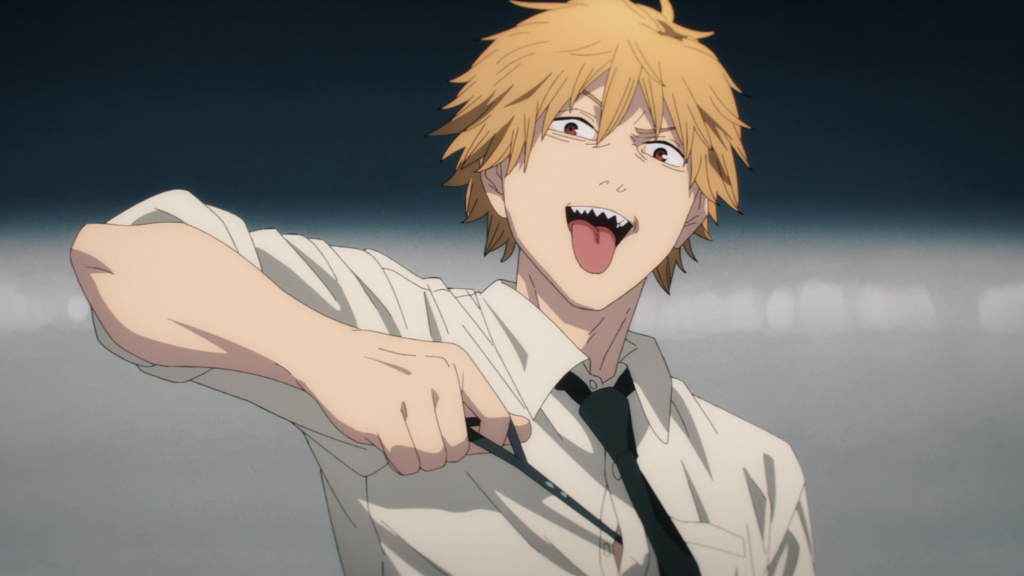
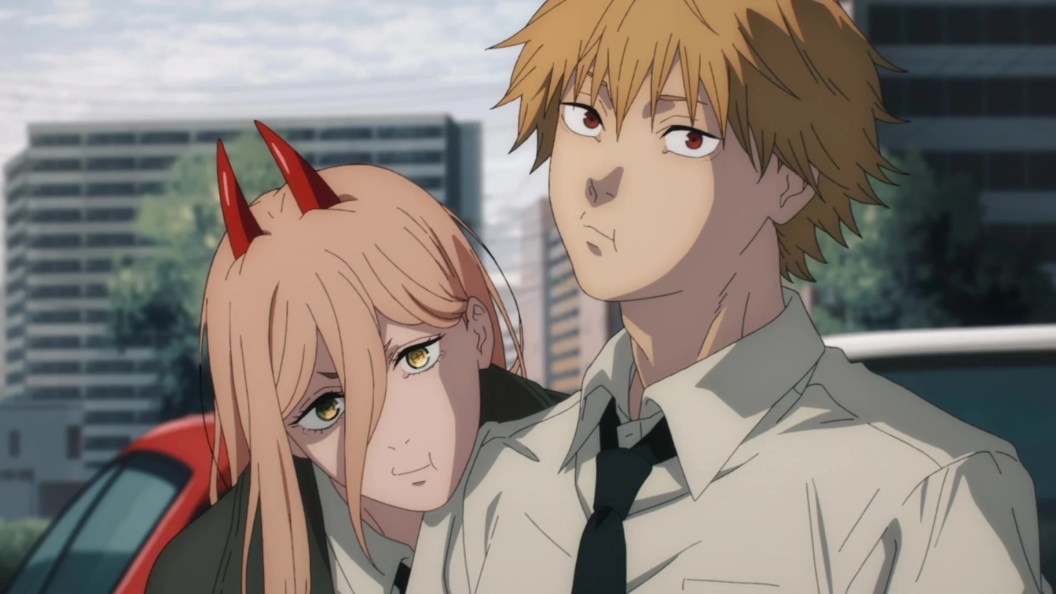
For an anime that quite literally sees chainsaws sprouting from its main character’s body, Chainsaw Man‘s strengths are in its subtleties. The series only has one season and a movie to its name, so it’s hard to compare it to some of the other, completed projects on this list. But Chainsaw Man does a lot within a short timeframe, delivering on the action and suspense so many Shonen fans are looking for — but never ignoring the depth of its characters or scope of its world. It balances serious explorations of its characters’ emotional states with humor incredibly well. And thanks to its existential themes, it manages to feel believable, even when its premise is so outlandish.
The careful foreshadowing and many pop culture references worked into Chainsaw Man underscore what a love letter to storytelling it is. And the anime doesn’t shy away from dark topics, but it maintains a steady stream of hope. The writing is a masterclass in balance and constraint, and the biggest complaint I can make is that it goes by a bit too quickly. It’d be nice if there was more to savor, but Chainsaw Man still deserves all the flowers it gets. It has less issues than Attack on Titan, but like Vinland Saga, it’s too unfinished to top the list.
4) Monster

Monster doesn’t feature the over-the-top action that series like Attack on Titan and Chainsaw Man benefit from, so it has to use good writing to its advantage. And the fact that it’s still so heavily praised, more than 20 years after its debut, confirms how successful it is on that front. By default, thrillers need proficient writing, as they’re tasked with hooking viewers, leading them in one direction, and then surprising them with another — all while working small details and clues into the mix. Monster manages to do all of that, but unlike so many thrillers, it doesn’t stick to surface-level, over-simplistic storytelling.
Instead, it goes deeper, grappling with difficult questions about morality and unpacking its characters’ psychology in interesting ways. It handles these subjects carefully, raising interesting conversations in the process. Its ending isn’t as well delivered as the series that rank above it, but it’s still a writing feat.
3) Mob Psycho 100
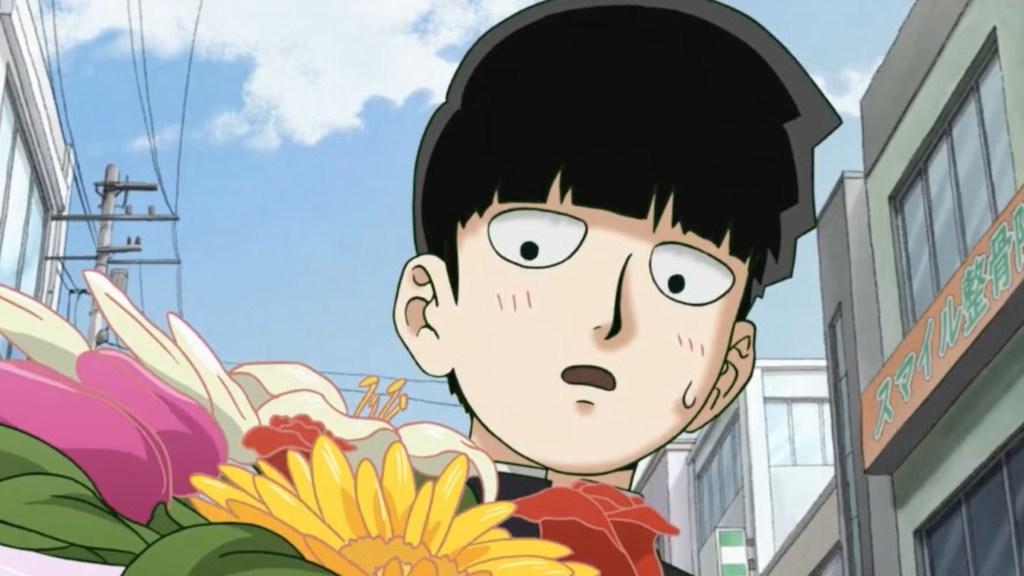
Mob Psycho 100 is a Shonen masterpiece from beginning to end, and it benefits from many of the same writing strengths as Chainsaw Man — but it has the luck to be finished, and thus, its legacy is fully secured. A coming-of-age story that sees its lead facing supernatural threats, Mob Psycho 100 balances its action and fantasy narratives with more thoughtful, slice-of-life storylines. The ability to do this so seamlessly is already a point in its favor. But the way the series uses Mob’s telekinetic powers to speak to the power of self-acceptance is what really resonates.
And the characters feel so real that it’s hard not to go on that journey right alongside Shigeo. Just like Chainsaw Man, Mob Psycho 100 uses humor and charm to sell us on its characters and break up the tension. This series is also a masterclass in balance, and it subverts common tropes just as well. Its ending sticks the landing, too, placing it a step above Monster. Its incredible the first time and on a rewatch, as strong writing ensures even the quietest moments are powerful and interesting.
2) Cowboy Bebop

There’s a reason Cowboy Bebop is a timeless classic: its writing holds up after all these years. While so many titles on this list are impressive for delivering one coherent narrative across seasons, Cowboy Bebop tells numerous well-constructed stories with its episodic format. And it still manages to thread them together with a light overarching plot and recurring questions about life. That its existential themes target the need for connection and meaning — things anyone can relate to — makes this series hit hard. And its ambiguous ending gives viewers a lot to think about, leaving an impression when so many other shows are forgotten once they’re finished.
Despite being on the shorter side, Cowboy Bebop does an impressive job of immersing us in its world without offering too much exposition. Its backdrop feels realistic, and so do its characters. Their human struggles are why the series resonates, and they make any outing with the crew enjoyable. Of course, given the series’ episodic approach, there are a couple of low points in its 26-episode run. That leaves one series above it in terms of writing, just because it lacks noticeable lulls.
1) Fullmetal Alchemist: Brotherhood

While Cowboy Bebop is impressive for its ability to turn many smaller stories into one larger picture, there’s one anime that beats it in terms of writing: Fullmetal Alchemist: Brotherhood. It’s a struggle to find fault with this series, which starts with a personal quest for redemption and turns into a journey to make things right on a much larger scale. Everything from the anime’s political setup to its magic system are masterfully crafted, and they make the world feel believable from Episode 1. And speaking of the premiere, Fullmetal Alchemist: Brotherhood wastes no time foreshadowing its many twists and turns.
Its attention to detail touches every part of the series, making it an incredible experience all the way through. The characters read like real people instead of archetypes, and their relationships and emotional arcs drive the action in compelling ways. Fullmetal Alchemist: Brotherhood nails its ending, too, leaving a strong legacy. Its writing contributes to that, fueling all of its other strengths.
What’s the most masterfully written anime you’ve ever watched? Leave a comment below and join the conversation now in the ComicBook Forum!
