


Articles
7 1990s Anime That Deserve Another Chance
You can tell when you’re watching a ’90s anime classic — it’s got that texture. You see the grain in the cel animation, hear the synth in the soundtrack, and feel the ambition of creators who were experimenting without worrying about algorithms or “market trends.”
A lot of what people call “classics” now is nostalgia wearing rose-tinted glasses. But the true ’90s greats earned their respect because they took risks. The creators were tossing together genres — fantasy with mecha, noir with philosophy — and somehow it worked. It was a decade when anime felt unpredictable, even strange, but that’s what made it stand out. They remind you of a time when anime was less about polished global appeal and more about imagination, guts, and genuinely weird ideas that somehow stuck the landing.
7. The Big O (1999–2003)
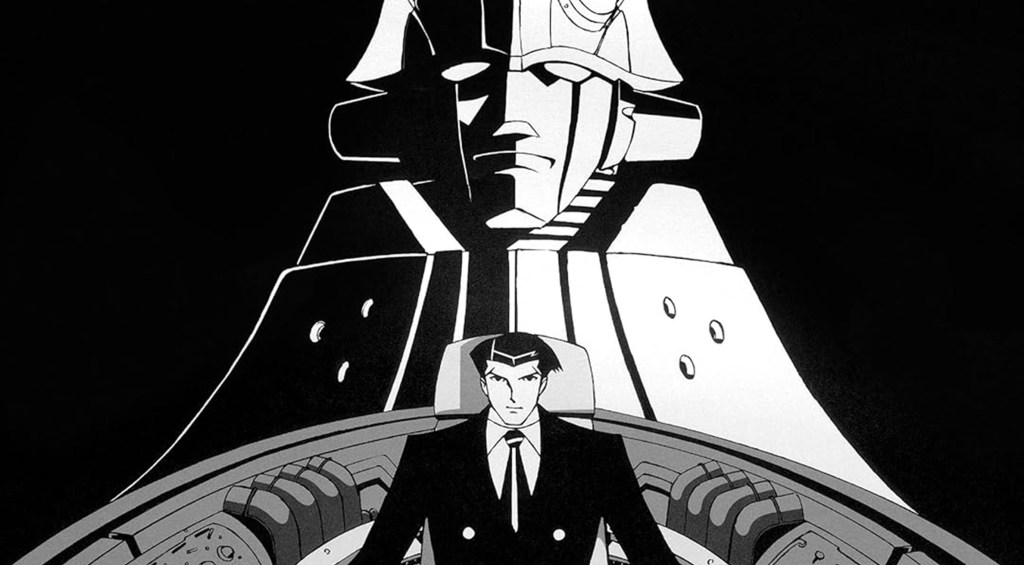
The Big O stands out for merging Japanese mecha storytelling with Western noir influences. Produced by Sunrise, it borrows heavily from Batman: The Animated Series in tone and design, especially its art deco cityscapes and stoic hero. Its narrative focuses on a city whose residents have lost their memories — an unusual, introspective premise for a mecha series. While it struggled with ratings in Japan, it developed a cult following overseas, partly due to its English broadcast on Cartoon Network’s Toonami. Today it’s remembered for its striking visual style and its unique mixture of mystery, sci-fi, and philosophy.
6. Yu Yu Hakusho (1992–1995)
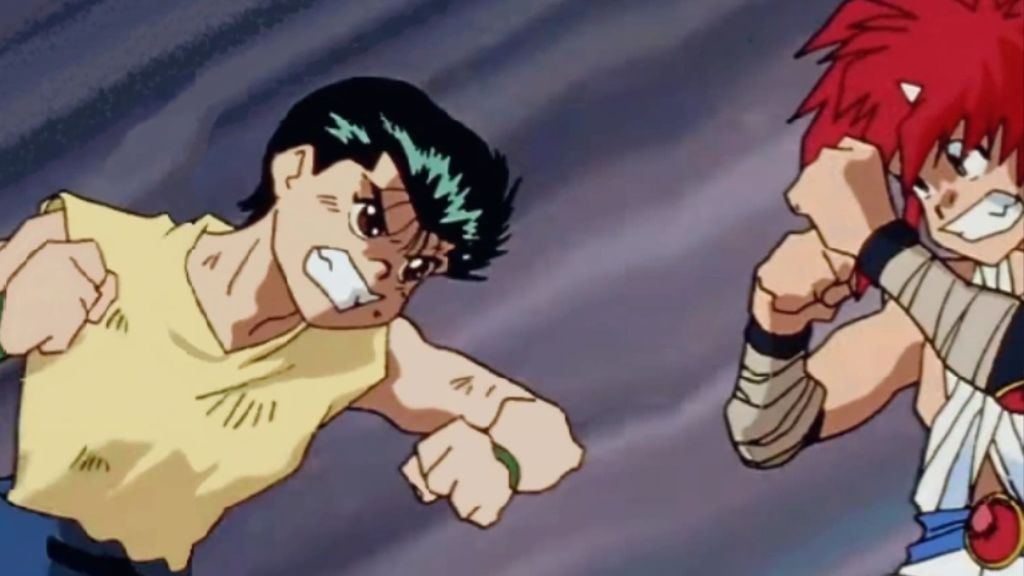
Based on Yoshihiro Togashi’s manga, Yu Yu Hakusho became one of the most popular shōnen anime of the early ’90s. Its success rested on supernaturally themed battles, clever tournament arcs, and strong character dynamics — especially between Yusuke, Hiei, Kuwabara, and Kurama. It set the pattern for later series like Bleach and Jujutsu Kaisen. It also stood out for its detailed animation during fight sequences and emotional pacing, especially in the Dark Tournament arc. Beyond nostalgia, it’s remembered because it captured a solid balance of humor, action, and moral growth at a time when the genre was still finding its modern form.
5. Magic Knight Rayearth (1994–1995)
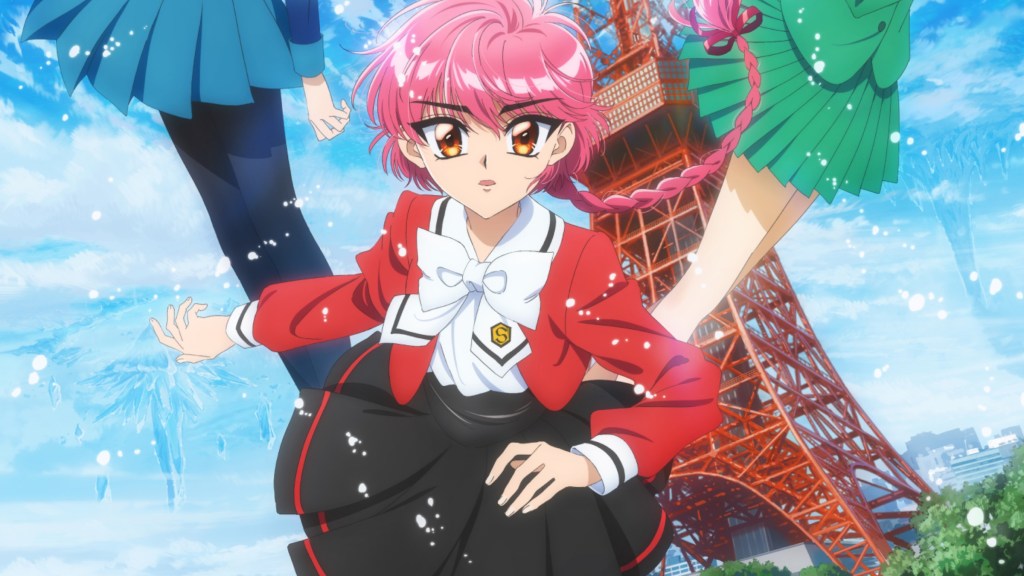
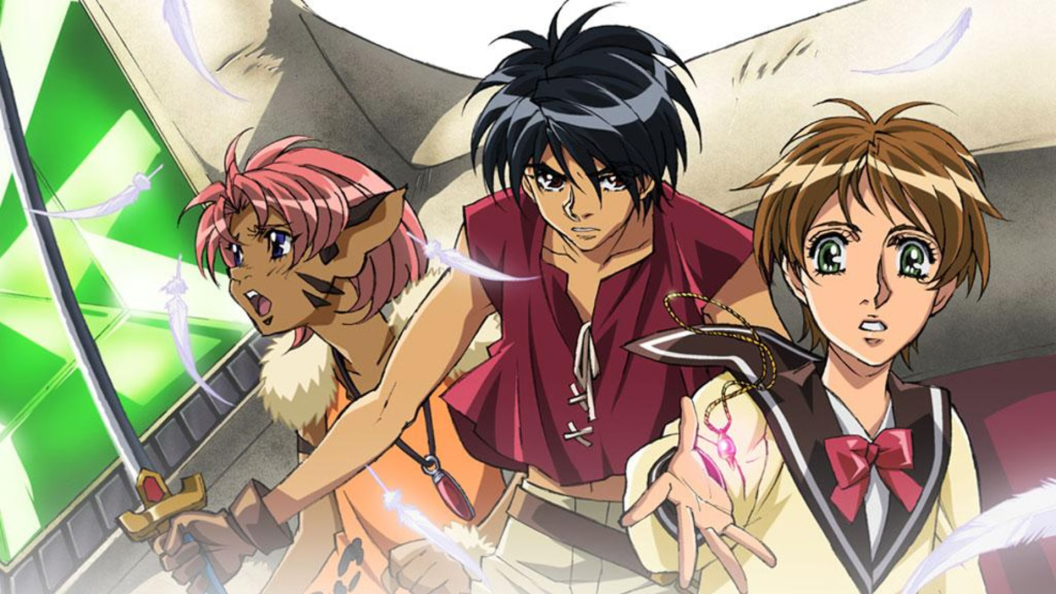
From manga artist group CLAMP, Magic Knight Rayearth combined the magical girl and mecha genres, which was unusual at the time. It followed three schoolgirls transported to a fantasy world called Cephiro, where they had to pilot magical machines to fulfill a tragic destiny. The anime was visually bright and energetic, while the underlying story emphasized the consequences of power and wish fulfillment. Its blend of fantasy adventure and emotional drama helped open shōjo anime to a broader audience and influenced how later works mixed genres.
4. Outlaw Star (1998)
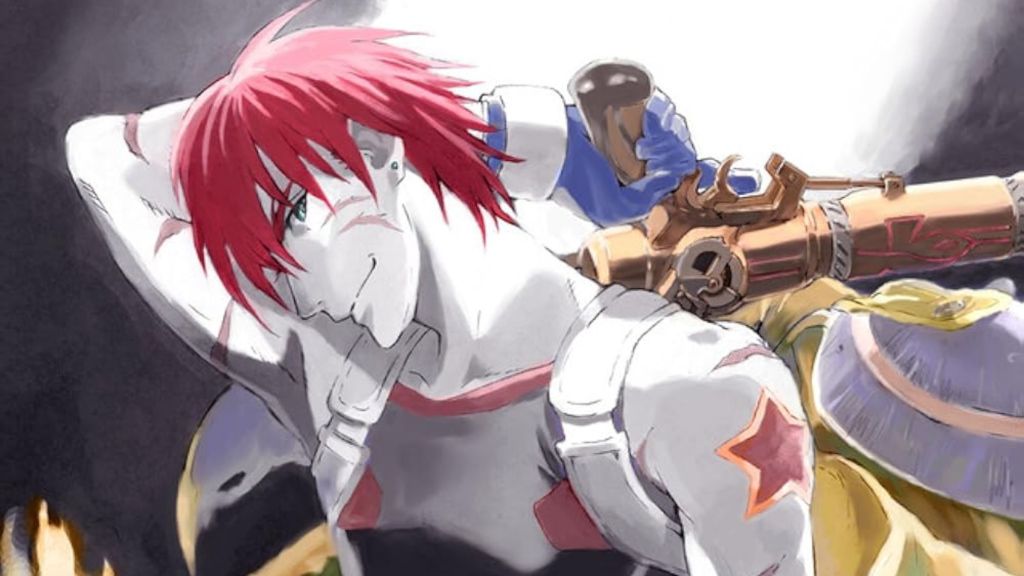
Produced by Sunrise, Outlaw Star was part of the late ’90s wave of space adventure anime alongside Cowboy Bebop and Trigun. It combined science fiction with Western and wuxia elements — guns, grapplers, and space sorcery. What made it memorable was its expansive worldbuilding: space pirates, bio-androids, and mystical armadas coexisted within one consistent setting. It also benefited from strong animation for its time and a self-contained story that wrapped up neatly. Though overshadowed by Bebop, it remains a solid example of late ’90s cosmic adventure storytelling.
3. Berserk (1997)

The show also stood out for how it approached character psychology. The show also stood out for how it approached character psychology. The 1997 Berserk anime adapted the “Golden Age” arc of Kentarō Miura’s manga with a limited budget but strong direction. Its muted color palette, heavy atmosphere, and grounded medieval realism distinguished it from other fantasy series of the period. Despite its low production values, it conveyed the psychological and tragic layers that defined Miura’s work. The series’ abrupt ending left many viewers shocked, but it also helped cement Berserk’s reputation as an unflinching story about ambition and loss. It’s considered a key title in mature, dark fantasy anime.
2. Serial Experiments Lain (1998)

Directed by Ryūtarō Nakamura and written by Chiaki J. Konaka, Serial Experiments Lain used technology as a metaphor for consciousness. Released during the rise of the internet, it explored online identity, isolation, and digital existence — in a way that feels prescient today. It featured minimalist visuals, subdued voice acting, and experimental editing rarely seen in TV anime. Initially polarizing, it later became a flagship example of avant-garde, psychological anime and is often discussed in academic and cyberculture circles.
1. The Vision of Escaflowne (1996)

A Sunrise production combining mecha, fantasy, and romance, The Vision of Escaflowne followed high schooler Hitomi as she’s drawn into a world at war. Its distinctive style —angular character designs by Nobuteru Yūki and a musical score by Yoko Kanno—made it stand out. It tried to appeal to both male and female audiences, mixing action and emotional storytelling. Though its tone and pacing differ from typical mecha shows, its imaginative worldbuilding and consistent visual design helped it maintain a lasting presence among ’90s anime fans.
What do you think? Leave a comment below and join the conversation now in the ComicBook Forum!
The post 7 1990s Anime That Deserve Another Chance appeared first on ComicBook.com.
